Table of Contents
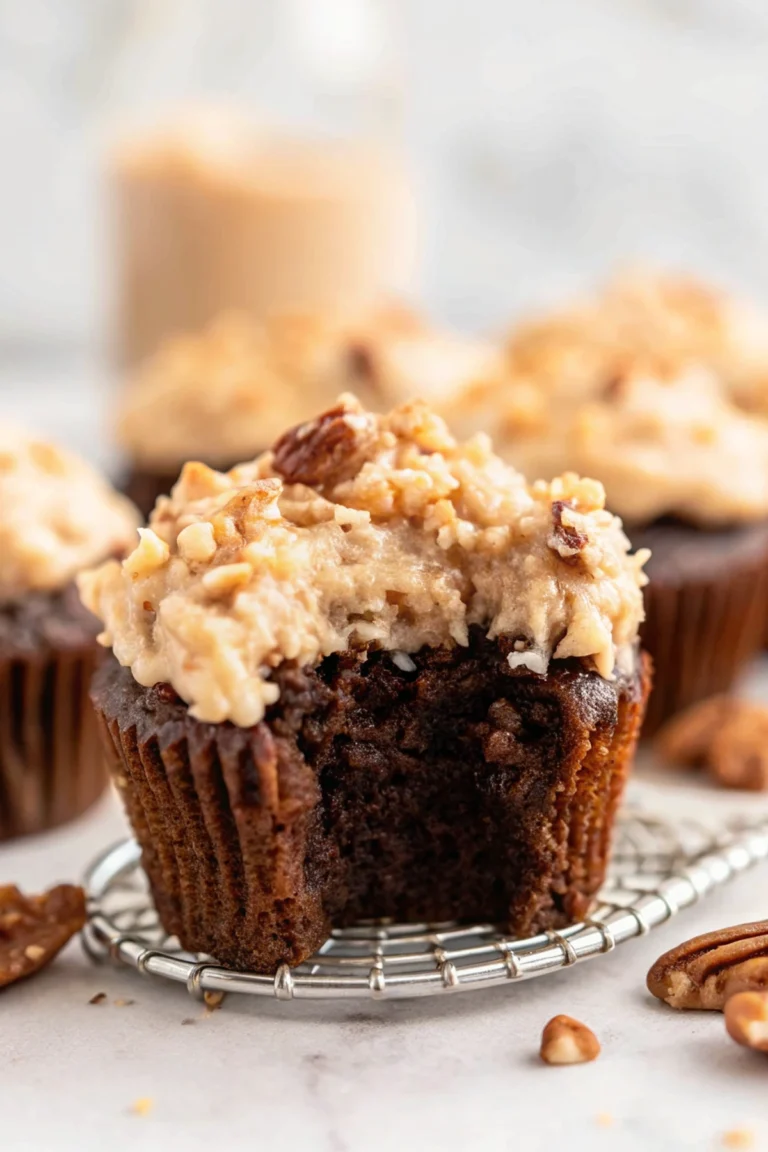
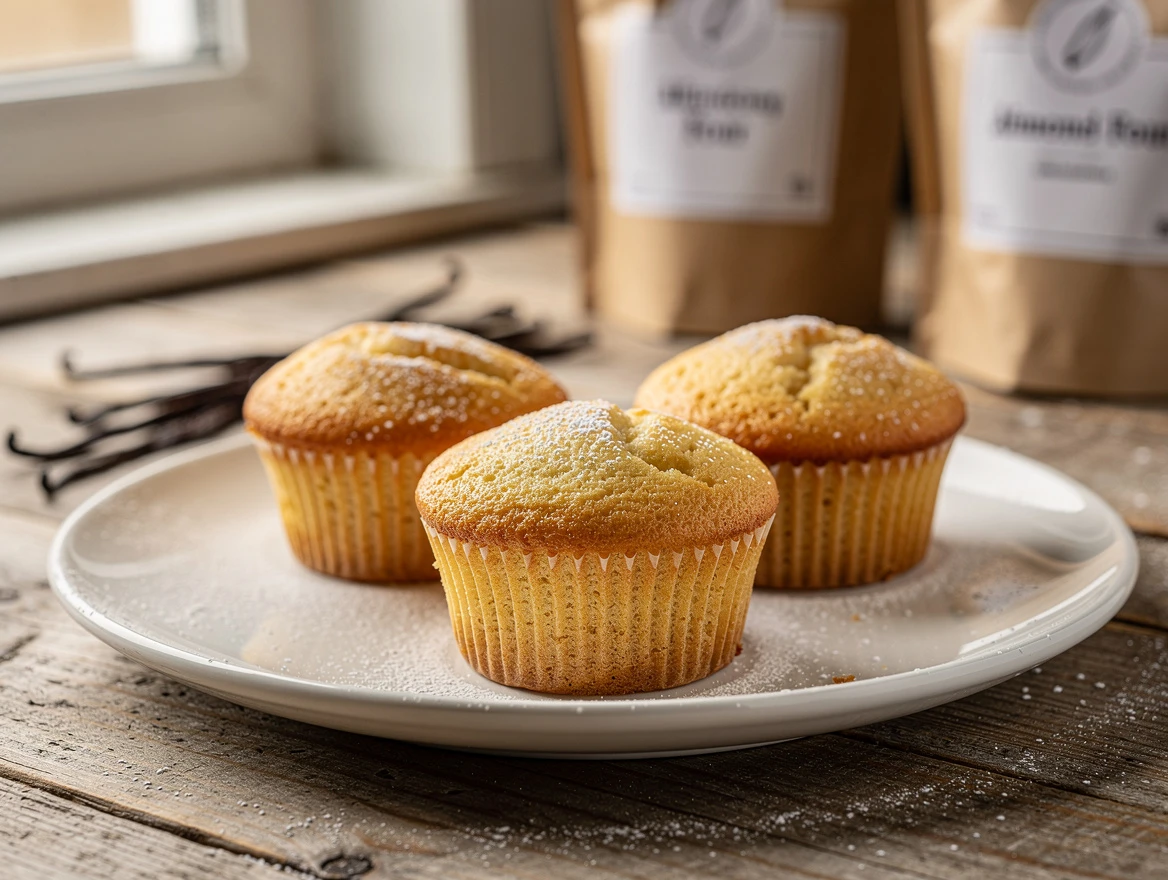
Craving something sweet without loading your dessert with refined sugar and flour? These healthy cupcake recipes are a delicious way to enjoy a classic treat with a lighter twist. Made with ingredients like almond flour, coconut flour, eggs, and a low-carb sweetener, these cupcakes are moist, fluffy, and easy to make at home.
In this recipe, you’ll learn how to make simple low-carb vanilla cupcakes with a tender crumb and just 3.5g of net carbs per serving based on the recipe’s nutrition calculation. You’ll also find helpful baking tips, ingredient substitutions, storage ideas, and a chocolate variation to make these cupcakes your own.
Whether you’re looking for a low-carb dessert, a gluten-free cupcake option, or simply a more wholesome way to satisfy your sweet tooth, these healthy cupcake recipes are a great place to start.
Healthy Keto Vanilla Cupcakes
Prep: 15 min | Cook: 20 min | Servings: 12
Ingredients
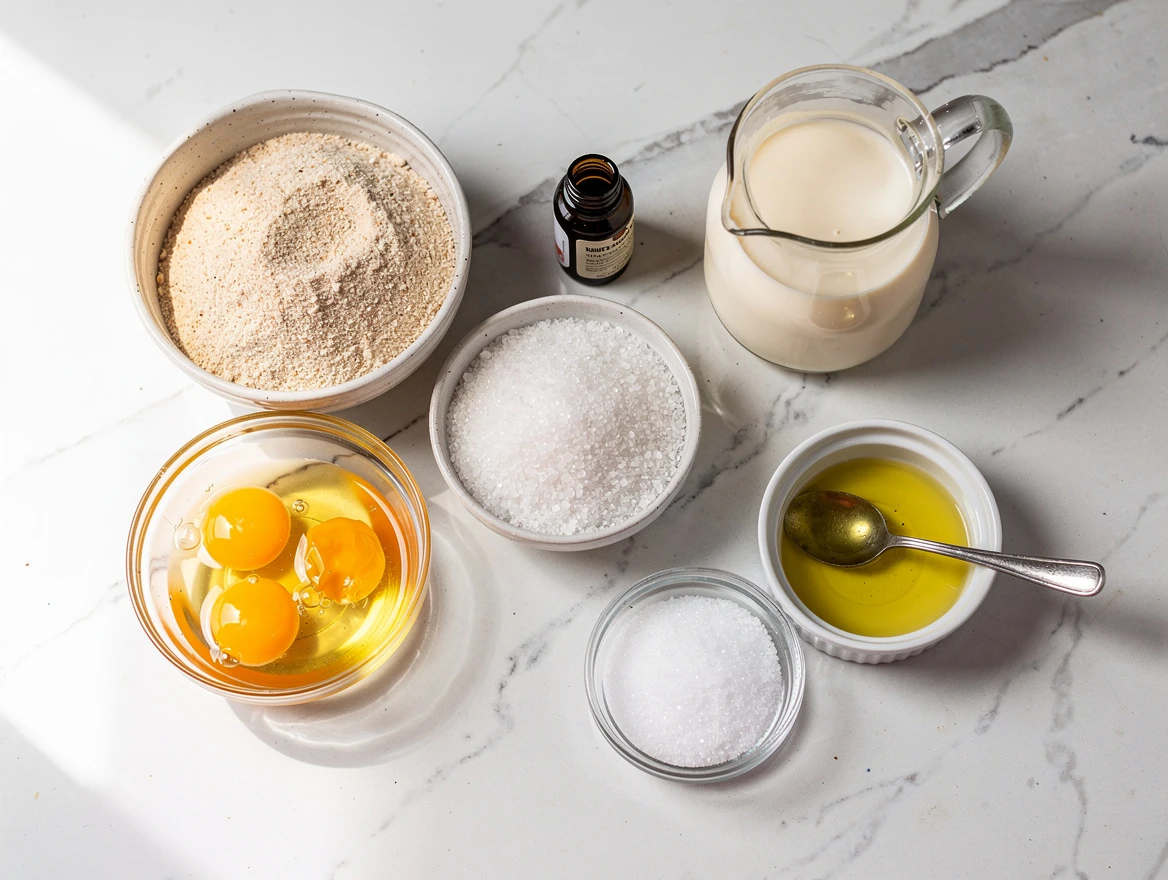
- 2 cups almond flour (98g)
- 1/4 cup coconut flour (28g)
- 1/2 cup erythritol (or preferred keto sweetener, 100g)
- 1 tsp baking powder
- 1/4 tsp salt
- 4 large eggs
- 1/2 cup unsweetened almond milk (120 ml)
- 1/3 cup melted coconut oil (80 ml)
- 1 tsp vanilla extract
Instructions
- Preheat oven to 350°F (175°C). Line a 12-cup muffin tin with paper liners.
- In a large bowl, whisk together almond flour, coconut flour, erythritol, baking powder, and salt.
- In another bowl, beat eggs, then mix in almond milk, melted coconut oil, and vanilla extract.
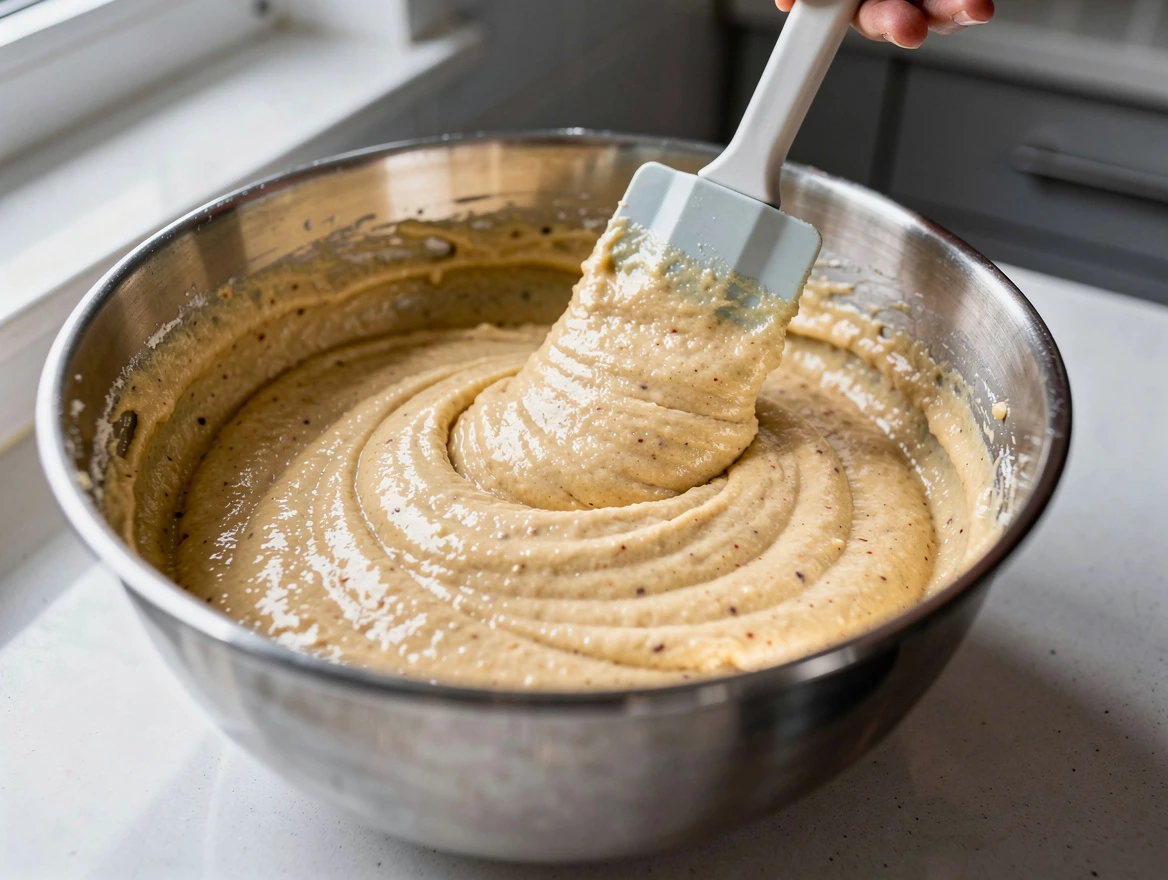
- Combine wet ingredients with dry, stirring until smooth and well incorporated.
- Divide batter evenly into muffin cups.
- Bake for 18-20 minutes, or until a toothpick inserted comes out clean.
- Cool for 10 minutes before removing from pan. Let cool completely on a wire rack before frosting.
Nutrition Per Serving (1 cupcake)
| Nutrient | Amount |
|---|---|
| Calories | 180 |
| Protein | 6g |
| Total Carbs | 8g |
| Fiber | 4.5g |
| Net Carbs | 3.5g |
| Sugar | 1g |
| Fat | 15g |
| Sodium | 150mg |
– Substitute erythritol with monk fruit sweetener 1:1 for similar sweetness without carbs.
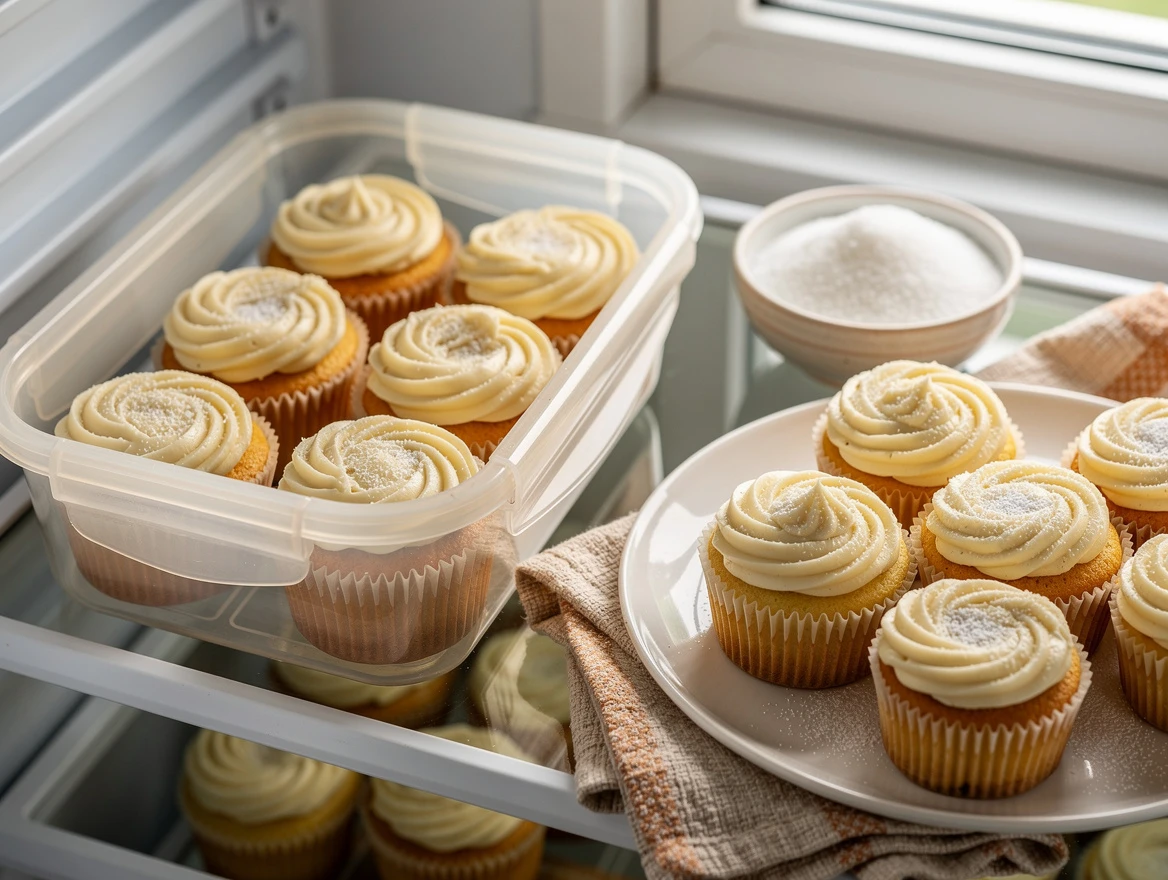
– Store cupcakes in an airtight container in the fridge for up to 5 days.
– For a chocolate variation, swap 1/4 cup of almond flour with unsweetened cocoa powder.
Why Healthy Cupcake Recipes Matter
Let’s be real—finding healthy cupcake recipes that don’t taste like cardboard is like hunting for a unicorn wearing oven mitts. When I first tried baking “healthy” cupcakes (read: disaster after disaster), my blood sugar anchored at a sad 160 mg/dL spike. Spoiler alert: That’s a no-go for anyone trying to manage diabetes or just avoid the crash-and-burn sugar aftermath.
Cue recipe testing montage: blood sugar finger pricks, umpteen cupcake batches, and those hopeful-but-cautious first bites. After tweaking flours and sweeteners, I finally found a balance where my one-hour post-cupcake reading hangs out gracefully around 130 mg/dL—well under the 140 mg/dL party line for keeping spikes at bay.
Traditional cupcakes are basically carb bombs—a sugary one-two punch of white flour and sugar that quickly shoot blood sugar through the roof. Swapping to almond and coconut flours slashes net carbs and adds fiber, which is like putting a superhero cape on your cupcakes. Erythritol, meanwhile, is the sweetener that behaves—no glycemic chaos here, folks!
Key Recipe Techniques for Perfect Healthy Cupcakes
- Use fine almond flour: Trust me, coarse almond flour is cupcake kryptonite. It makes your cupcakes gritty, which is the culinary equivalent of sand in your sandals. Grinding almond flour finer yields that melt-in-your-mouth crumb.
- Accurate baking time: Overbake and you’re in for dry cupcakes nobody wants to politely nibble. I’m watching you closely at 18 minutes like a cupcake hawk.
- Don’t skip the coconut flour: This little magic dust adds fiber and soaks up moisture for perfect texture. It’s like the unsung hero of low-carb baking.
- Eggs as binders: Eggs are your BFFs here—binding the batter, adding protein, and giving your cupcakes a fluffiness level that’ll make gluten cry.
Ingredient Substitutions & Impact on Nutrition
- Flour: Almond and coconut flours reign supreme. Oat or whole wheat flours might play nice in some recipes, but they turbocharge carbs and won’t keep your blood sugar happy.
- Sweeteners: Sugar, honey, maple syrup? More like blood sugar spikes 101. Stay cool with erythritol or monk fruit to keep sweetness without the aftermath meltdown.
- Milk: Unsweetened almond milk is the go-to for keto and low carb. Feel free to swap in coconut or cashew milk, but double-check those carb numbers (because ain’t nobody got time for sneaky sugars).
- Fat: Coconut oil keeps things moist and dreamy. Butter works too. Vegetable oils? Neutral face emoji. Avoid them for this recipe.
Personal Blood Sugar Stories
- Initial Testing Fun: First try at healthy cupcakes? My blood sugar shot to 160 mg/dL. Yikes. Lesson learned: Kleenex for tears, switch sweeteners, reduce carbs, and try again.
- Post-Workout Sweet Tooth: I ate one of these cupcakes after exercise and clocked a modest 125 mg/dL spike. Proof that a little sweat helps your cells handle glucose like champs.
- Breakfast of Champions: Yes, I ate a cupcake for breakfast (don’t judge). Fasting glucose stayed stable at 95 mg/dL with zero crash later. Cupcakes for breakfast? Yeah, I’m not mad about it.
More Tips for Baking Diabetes-Friendly Cupcakes
- Precision in measuring ingredients = fewer surprises. No wild guesses with almond flour, people.
- Ditch artificial sweeteners like sucralose if you don’t want to welcome unwelcome tummy guests.
- Fiber is your friend. That’s why coconut flour is so crucial—it slows glucose absorption.
- Spice it up! Cinnamon and nutmeg aren’t just for holiday vibes — they might help regulate blood sugar.
- Always use room temperature eggs and dairy for a batter that plays nicely and cupcakes that rise to the occasion.
Related Recipes from HomemadeCooks.com
Authoritative External Resources
- American Diabetes Association: Diabetes-Friendly Baking Tips
- KetoConnect: Low Carb Keto Cupcakes
- SugarFree Londoner: Keto Vanilla Cupcakes
- Chi Health: Baking Basics for Diabetes
- Healthline: Best Sweeteners for Diabetes
Frequently Asked Questions
Are these healthy cupcake recipes low in carbs?
Yes. The featured vanilla cupcakes use almond flour, coconut flour, and a low-carb sweetener instead of traditional wheat flour and sugar. According to the recipe’s nutrition calculation, each cupcake contains about 3.5g of net carbs.
Can I freeze these healthy cupcakes?
Yes. Once completely cooled, wrap the cupcakes well and store them in an airtight freezer-safe container for up to 3 months. Thaw them in the refrigerator before serving.
Can I use coconut flour instead of almond flour?
Coconut flour absorbs much more liquid than almond flour, so it cannot usually be substituted in equal amounts. For the best texture, follow the flour quantities in the recipe unless you’re using a recipe specifically designed for coconut flour.
What sweetener can I use instead of erythritol?
You can use another low-carb sweetener, such as monk fruit sweetener, if it has a similar sweetness and substitution ratio. Check the product instructions because different sweeteners can vary in sweetness and texture.
What frosting goes well with low-carb cupcakes?
A simple cream cheese frosting made with a low-carb sweetener pairs especially well with vanilla cupcakes. You can also try sugar-free chocolate frosting, whipped cream, or a light vanilla frosting.
Are these cupcakes gluten-free?
The recipe uses almond flour and coconut flour rather than wheat flour, so the ingredients themselves are naturally gluten-free. If you need to avoid gluten strictly, check the labels of all packaged ingredients for possible cross-contact.
How should I store healthy cupcakes?
Store unfrosted or frosted cupcakes in an airtight container in the refrigerator for up to 5 days. Let them come closer to room temperature before serving for the best texture.
Can I make these cupcakes chocolate?
Yes. You can create a chocolate version by replacing part of the almond flour with unsweetened cocoa powder, then adjusting the dry ingredients as needed to maintain the right batter consistency.
Creating healthy cupcake recipes isn’t just my kitchen’s full-time entertainment; it’s a mission to bring you sweet joy without the post-dessert guilt or blood sugar chaos. Stick with this recipe and tips, and you’ll be enjoying cupcakes that respect your health and your taste buds. Because let’s face it—life’s too short for sad, sugary cupcakes.
Happy baking,
Isabella at HomemadeCooks.com