Table of Contents
Healthy Korean Recipes for Flavorful, Blood Sugar-Friendly Meals
Looking for healthy Korean recipes that are packed with bold flavors without loading up on sugar and carbs? Korean cuisine offers plenty of delicious options, from spicy stir-fries and protein-rich dishes to vegetable-packed meals. With a few simple ingredient swaps, you can enjoy classic Korean flavors while keeping your meals balanced and satisfying.
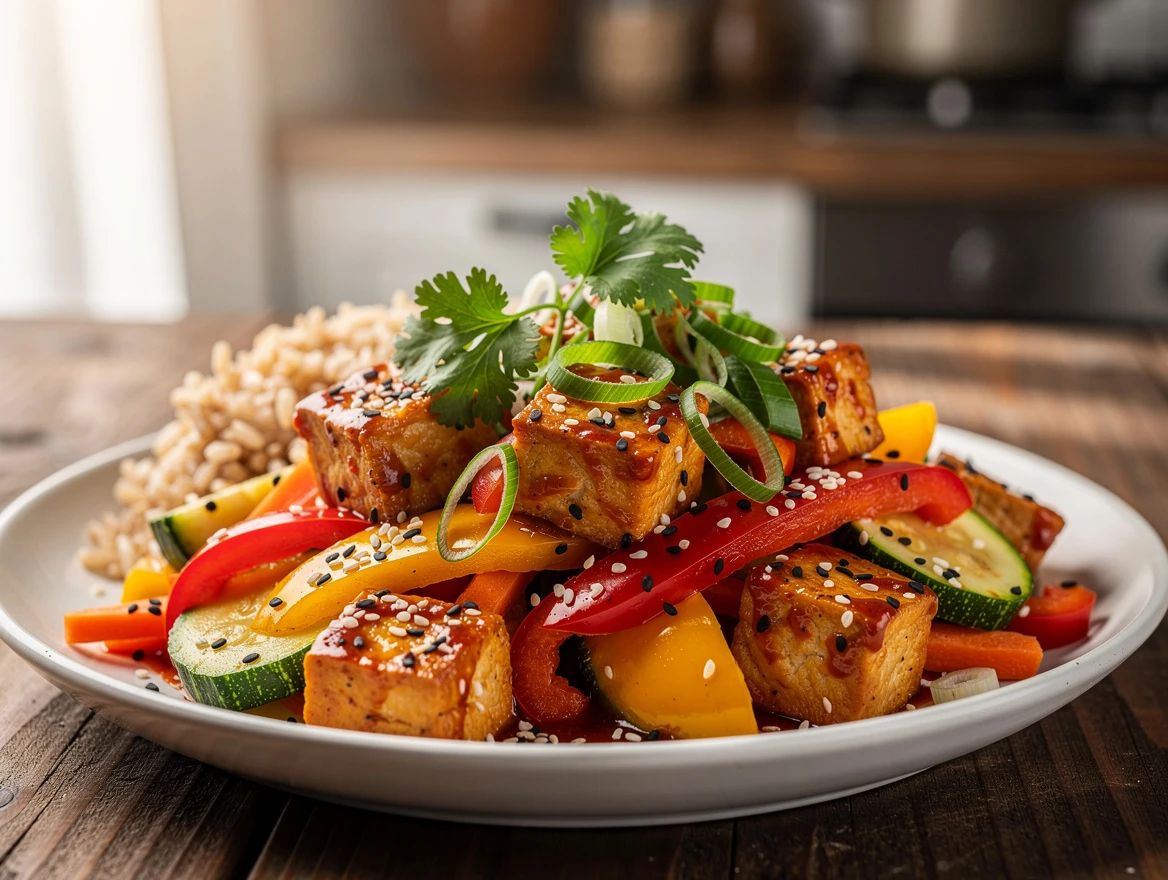
In this guide, you’ll discover practical tips for preparing healthier Korean dishes, including how to choose lower-carb ingredients, control added sugar and sodium, and make smart swaps like cauliflower rice. We’ll also share a delicious Spicy Korean Tofu Stir-Fry that combines crispy tofu, colorful vegetables, and a spicy gochujang sauce for an easy weeknight meal.
Spicy Korean Tofu Stir-Fry
Prep: 10 min
Cook: 15 min
Servings: 4
Ingredients
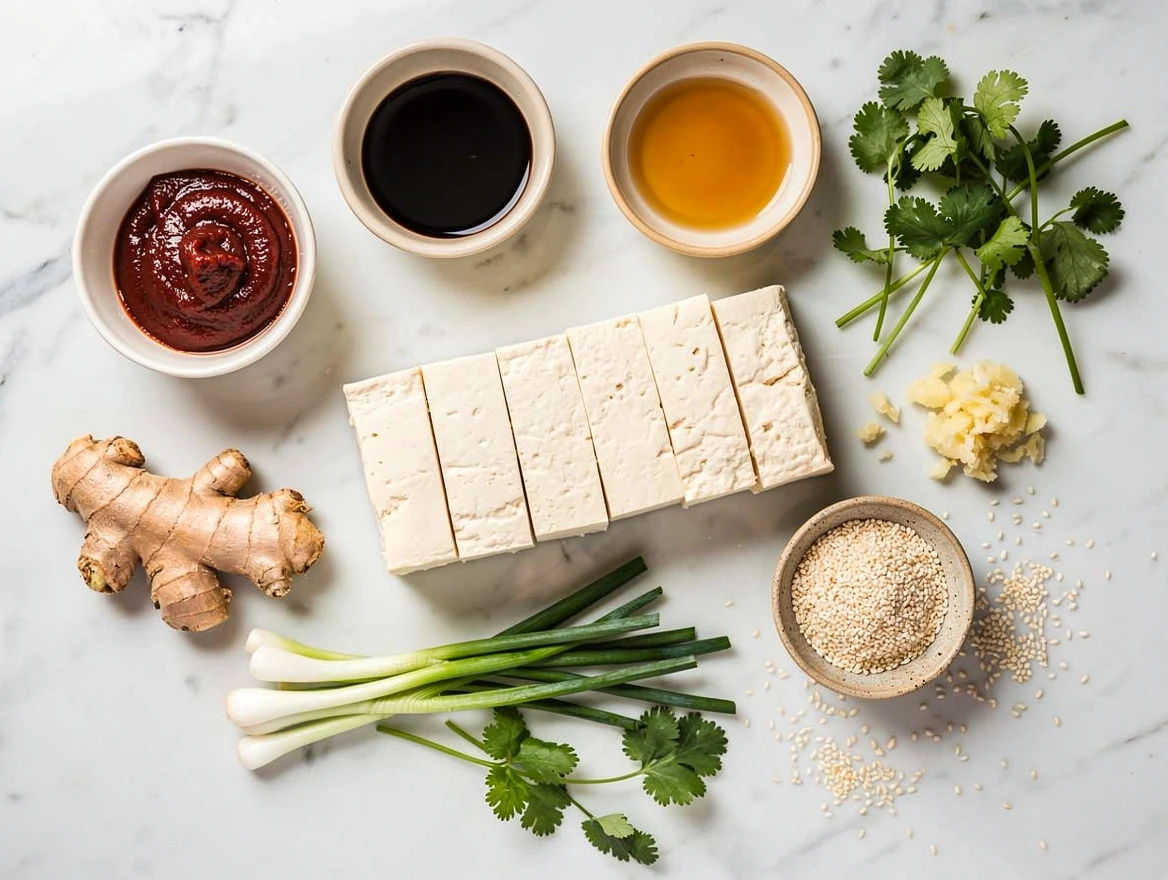
- 14 oz extra-firm tofu, pressed and cubed
- 2 cups mixed stir-fry vegetables (bell peppers, zucchini, carrots)
- 1 tbsp sesame oil
- 2 cloves garlic, minced
- 1 tsp fresh ginger, grated
- 2 tbsp low-sodium soy sauce (or tamari for gluten-free)
- 1 tbsp gochujang (Korean chili paste) – reduce for less spice
- 1 tsp rice vinegar
- 1 tsp erythritol or monk fruit sweetener (optional, balances the heat)
- 1 tbsp toasted sesame seeds
- 2 green onions, sliced
- Fresh cilantro (optional, for garnish)
Instructions
- Press tofu for 15 minutes to remove excess moisture, then cut into 1-inch cubes.
- Heat sesame oil in a large skillet or wok over medium-high heat (about 375°F).
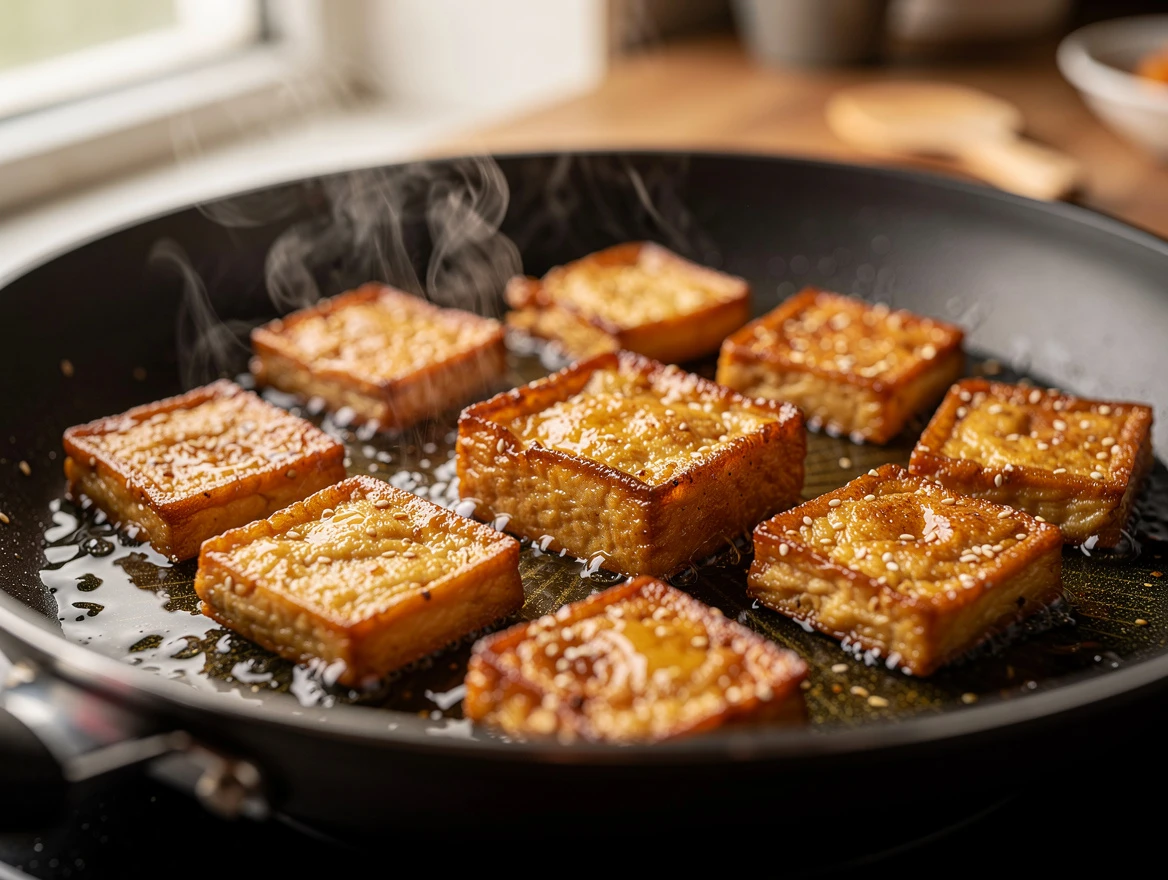
- Add tofu cubes and pan-fry for 4-5 minutes each side until golden and crispy. Remove tofu and set aside.
- Add garlic and ginger to the pan, sauté for 30 seconds until fragrant but not burnt.
- Add mixed vegetables and stir-fry for 5-7 minutes until tender-crisp.
- In a small bowl, whisk together soy sauce, gochujang, rice vinegar, and sweetener if using.
- Return tofu to the pan, pour sauce over, and toss to coat evenly. Cook another 2 minutes.
- Remove from heat, sprinkle with sesame seeds, green onions, and cilantro to serve.
Nutrition Per Serving
| Nutrient | Amount |
|---|---|
| Calories | 210 |
| Protein | 18g |
| Total Carbs | 10g |
| Fiber | 4g |
| Net Carbs | 6g |
| Sugar | 2g |
| Fat | 12g |
| Sodium | 550mg |
– Substitute tofu with chicken breast or shrimp for non-vegetarian version.
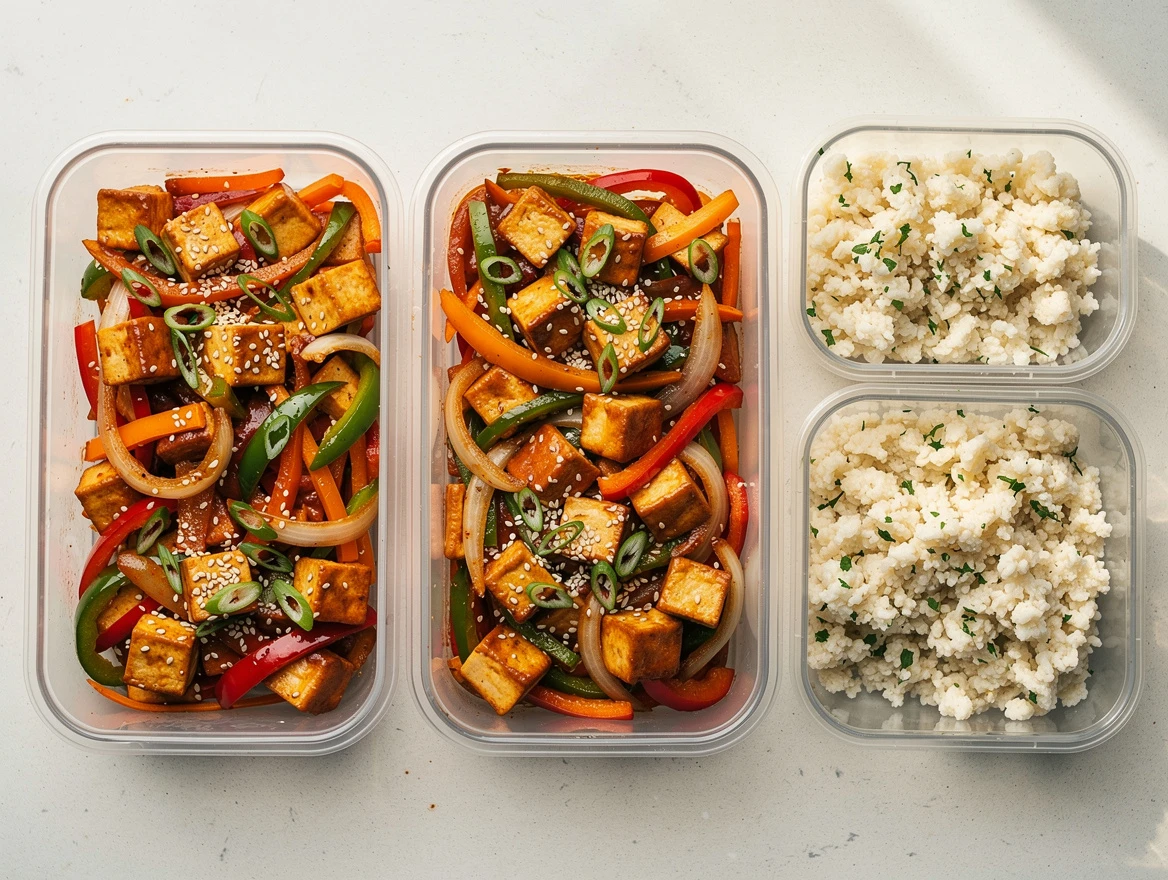
– Use cauliflower rice as a low-carb base if desired.
– Store leftovers in an airtight container in the fridge for up to 3 days.
Mastering Healthy Korean Recipes: Cooking Techniques & Tips
Here’s the inside scoop from over 40 furious kitchen tests and enough blood sugar readings to qualify me as a part-time glucose whisperer. Korean cooking is like a speed round of flavor layering — stir-frying, marinating, quick wok action, all while keeping carbs on a leash.
1. Control Oil & Sodium
Sesame oil is luscious but also sneaky calorie-packed. Stick to 1-2 tablespoons, and definitely go low-sodium on soy sauce or tamari — no need to drown the dish in salt or fat. Trust me, I’ve had a “one-too-many-splashes” science experiment where my blood pressure temporarily threatened to file a complaint.
2. Embrace Tofu and Protein Alternatives
Tofu is the MVP here: packs protein, acts like a sponge for big flavors, and keeps the carbs low. But hey, I’m not a tofu zealot — swapping with chicken or shrimp works wonders and keeps your blood sugar playing nice. Just tweak cooking times unless you want rubbery regrets.
3. Vegetables Over Rice (or Cauliflower Rice)
Let’s be real, traditional Korean meals lean hard on white rice, which isn’t exactly sugar-friendly. Enter stage left: cauliflower rice. Surprisingly similar texture when done right, and drops net carbs like a mic. Double veggies, half the rice, your glucose meter will send you a thank-you note.
4. Balance Heat with Sweetness
Gochujang? Oh yes, delicious umami with a kick — but warning: it’s often packed with sugar. Be smart, either go low-sugar homemade, reduce the amount, or sweeten gently with erythritol or monk fruit. Your taste buds and blood sugar will fist-bump.
5. Mise en Place = Success
Not just a fancy French phrase — prepping your ingredients first saves your garlic from going from “fragrant” to “ashtray” real quick. Stir-frying is a speed game: high heat, fast hands, and constant stirring to avoid kitchen disasters. Your future self will thank you.
My Personal Stories: Blood Sugar & Healthy Korean Recipes
Story 1: First Attempt with Tofu Stir-Fry
I followed the recipe above religiously and then checked my blood sugar 2 hours later. Peak? A modest 135 mg/dL. For me, that’s basically winning the diabetes lottery. The chili paste didn’t stage a sugar rebellion, and I avoided the dreaded post-spice crash.
Story 2: Swapping with Chicken
One random Tuesday, I threw caveats to the wind and replaced tofu with chicken breast, served it on cauliflower rice. Blood sugar peaked even lower — 128 mg/dL. Lesson learned: lean protein can be your blood sugar’s BFF.
Story 3: Dining Out Inspired
I tried making homemade kimchi to pair with the stir-fry (spoiler alert: it tastes better than anything I’ve had at some restaurants). Fermented friends like kimchi boost digestion and may help blood sugar stability. My meter read a stable 130 mg/dL, no hypoglycemia party crashers.
Ingredient Substitutions and Common Mistakes
- Sugar: Swap it with erythritol, monk fruit, or stevia. You get sweetness without the sugar-induced rollercoaster.
- Soy Sauce: Pick low-sodium or tamari. Your kidneys and taste buds will high-five you.
- Rice: Replace some or all with cauliflower rice or extra stir-fry veggies. Your blood sugar will send warm vibes.
- Flour: For pancakes or breads, almond or coconut flour keep it low-carb and still delicious.
- Oil: Sesame oil is flavor gold but watch your portions. Skip deep frying—pan-frying with a little oil keeps it health-approved.
Expert & Authoritative Sources on Healthy Korean Recipes
- The Complete Guide to Diabetic-Friendly Cooking (CleanEatzKitchen) — Serious kitchen wisdom here.
- Diabetes Food Hub — Official HQ for blood sugar-smart recipes and tips.
- Diabetic & Sugar-Free Korean Food Ideas – Facebook Group — Community care with Korean twists.
- YouTube Tutorial: Diabetes-Friendly Spicy Korean Chicken — Watching and learning never looked so tasty.
Related Healthy Recipes on HomemadeCooks.com
- Healthy Slow Cooker Recipes — Set it and forget it, comfort style.
- Healthy Pumpkin Brownies — Sweet devil that won’t wreck your blood sugar.
- Diabetic Dessert Recipes — Yes, dessert can be your friend.
- Pistachio Baklava — Nutty, flaky, and diabetes-approved.
More FAQs About Healthy Korean Recipes
Q7: What makes Korean recipes healthy?
Healthy Korean recipes often include plenty of vegetables, lean proteins, tofu, fermented foods, and flavorful herbs and spices. By limiting added sugar, excess sodium, and refined carbohydrates, you can make Korean-inspired meals more balanced and nutritious.
Q8: Are healthy Korean recipes good for weight loss?
Yes. Many Korean-inspired dishes can support weight loss when they focus on vegetables, lean protein, and controlled portions of carbohydrates. Choose grilled, steamed, or stir-fried foods and limit sugary sauces and deep-fried ingredients.
Q9: Is gochujang healthy for a low-carb diet?
Gochujang can add plenty of flavor, but some varieties contain added sugar and carbohydrates. Check the nutrition label and choose a lower-sugar option when possible. Using a smaller amount can also help keep the total carbs of your meal lower.
Q10: What can I use instead of white rice in Korean recipes?
Cauliflower rice is an excellent low-carb alternative to white rice. You can also serve Korean dishes with extra sautéed vegetables, shredded cabbage, or a small portion of brown rice depending on your dietary goals.
Q11: Can I make Korean recipes without added sugar?
Absolutely. You can reduce or skip added sugar and use small amounts of monk fruit or erythritol when appropriate. Ingredients such as garlic, ginger, sesame oil, rice vinegar, and gochujang can provide plenty of flavor without relying heavily on sweetness.
Q12: What vegetables are best for healthy Korean recipes?
Broccoli, zucchini, mushrooms, cabbage, spinach, bell peppers, carrots, and bean sprouts are excellent choices. Combining several vegetables adds color, fiber, texture, and nutrients to your Korean-inspired meals.
Q13: How can I make Korean recipes lower in sodium?
Use low-sodium soy sauce or tamari, reduce the amount of salty sauces, and add flavor with garlic, ginger, sesame oil, vinegar, chili, and fresh herbs. Taste your food before adding extra salt.
Q14: Are Korean recipes suitable for people with diabetes?
Many Korean-inspired recipes can fit into a diabetes-conscious eating pattern when portions of carbohydrates and added sugars are controlled. Choose meals centered around non-starchy vegetables and lean protein, and check sauces for hidden sugars and carbohydrates.
Q15: Can I prepare healthy Korean recipes ahead of time?
Yes. Many Korean-inspired stir-fries, vegetable dishes, and protein-based meals can be prepared in advance and stored in the refrigerator. Keep leftovers in airtight containers and reheat them thoroughly before serving.
Healthy Korean recipes don’t have to be carb bombs or sugar traps. With thoughtful swaps and techniques, you can indulge in spicy, bold dishes that play nice with your blood sugar and still make your taste buds dance. Now, go whip up that Spicy Korean Tofu Stir-Fry and show your glucose meter who’s boss.
Happy cooking,
Isabella