Table of Contents
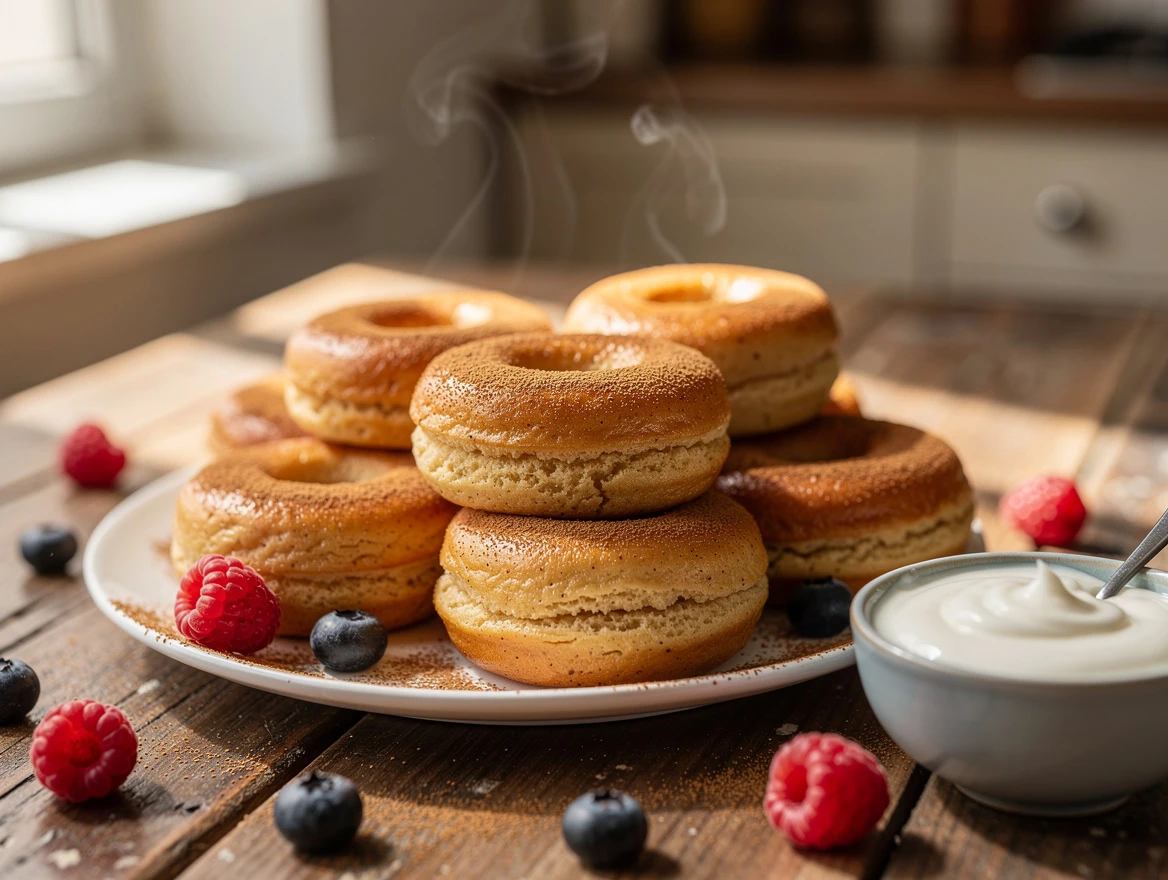
Craving something sweet but looking for a lower-carb alternative to traditional donuts? This healthy low-carb donut recipe is a delicious way to satisfy your sweet tooth without using regular flour or added sugar.
Made with almond flour, coconut flour, eggs, and a keto-friendly sweetener, these homemade baked donuts are soft, tender, and full of flavor. A touch of cinnamon and vanilla adds warmth, while the combination of almond and coconut flour gives them a lovely texture.
The best part? You don’t need a deep fryer or complicated ingredients. These donuts come together in just 10 minutes of preparation and bake in the oven in about 20 minutes.
Whether you’re following a low-carb eating plan, looking for gluten-free baking ideas, or simply want to try something different, these easy homemade donuts are a treat worth making.
Enjoy them plain, add a sugar-free glaze, or sprinkle chopped nuts on top for extra flavor!
Healthy Low-Carb Donut Recipe
Prep: 10 min
Cook: 20 min
Servings: 8 donuts
Ingredients
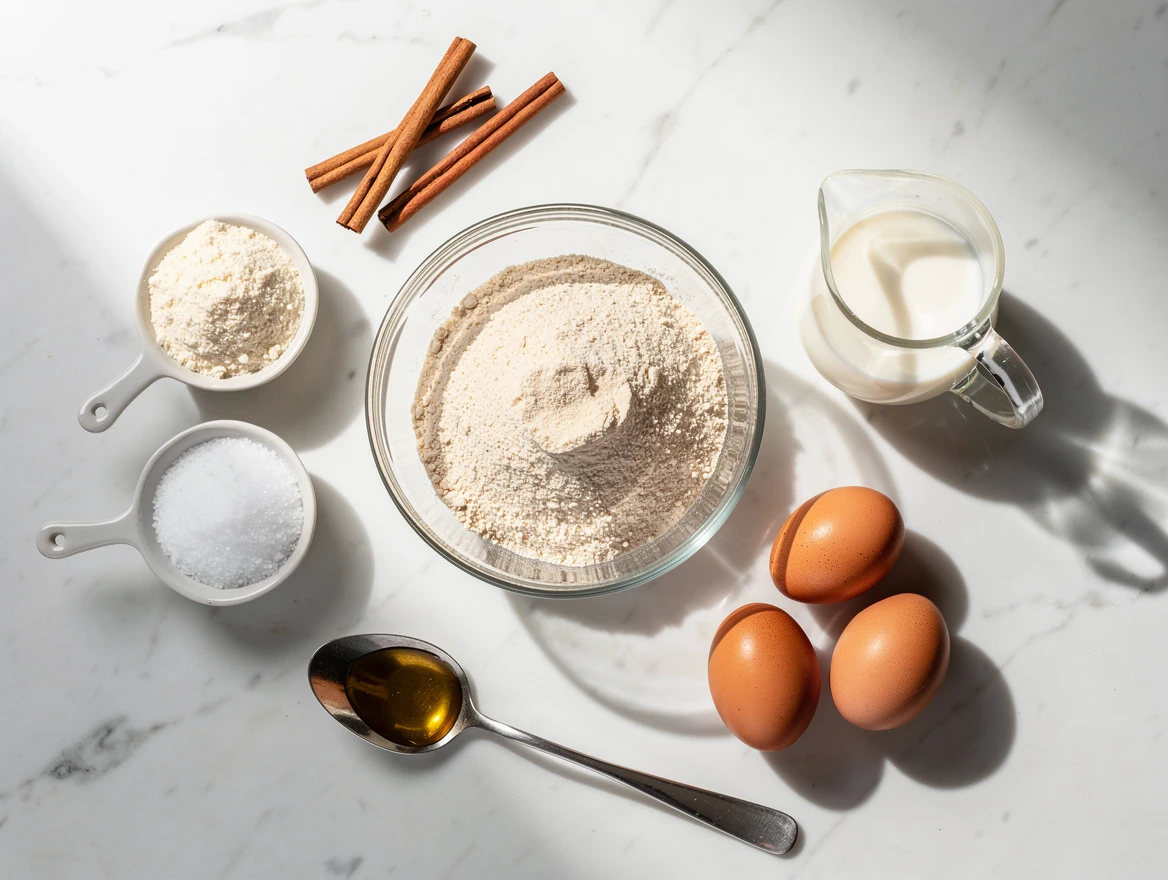
- 1 cup almond flour (finely ground)
- 2 tbsp coconut flour
- 1/4 cup erythritol sweetener (or preferred keto-friendly sweetener)
- 1 tsp baking powder
- 1/4 tsp salt
- 1 tsp ground cinnamon (optional)
- 2 large eggs
- 1/4 cup unsweetened almond milk
- 2 tbsp melted coconut oil or avocado oil
- 1 tsp vanilla extract
Instructions
- Preheat your oven to 350°F (175°C). Grease a standard 8-cavity donut pan with coconut oil or non-stick spray.
- In a bowl, whisk together almond flour, coconut flour, erythritol, baking powder, salt, and cinnamon.
- In another bowl, beat the eggs lightly, then add almond milk, melted oil, and vanilla extract. Mix well.
- Pour wet ingredients into dry ingredients and stir until fully combined into a thick batter.
- Spoon batter into donut cavities, filling about 3/4 full. Smooth tops with a spatula.
- Bake for 18-20 minutes or until a toothpick inserted in the center comes out clean.
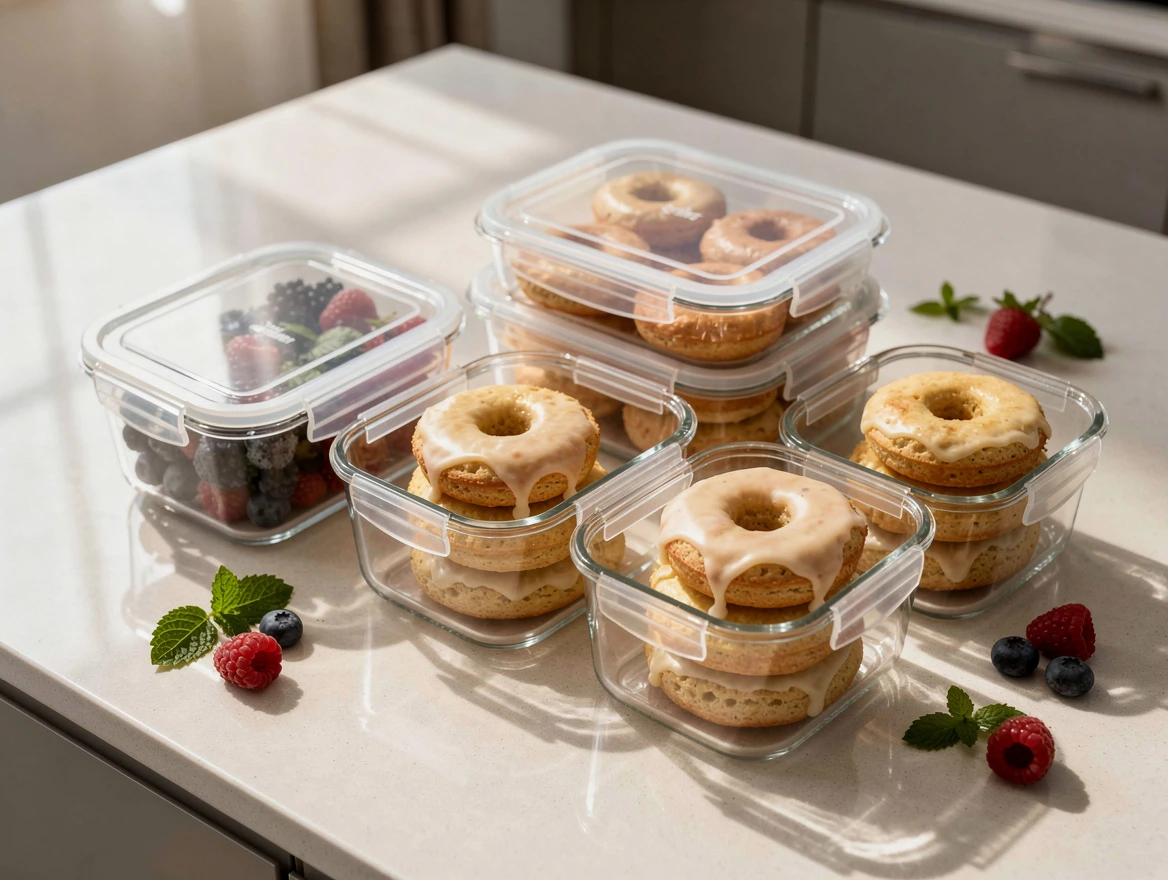
- Let cool for 5 minutes before removing from the pan. Serve warm or store in an airtight container.
Nutrition Per Donut (1 of 8 servings)
| Calories | Protein | Total Carbs | Fiber | Net Carbs | Sugar | Fat | Sodium |
|---|---|---|---|---|---|---|---|
| 135 | 5g | 7g | 3g | 4g | 0g | 11g | 90mg |
– Substitute erythritol with monk fruit sweetener if preferred.
– Store donuts in the fridge up to 1 week or freeze for up to 3 months.
– For a glaze, mix powdered erythritol with a touch of unsweetened almond milk and vanilla extract.
– Add chopped nuts or berries into batter for variety.
Why This Healthy Donut Recipe Works: My Tested Techniques & Tips
Look, I’m not just slapping together ingredients and praying for the best (though, yes, there was some of that in trial #7 when the donuts turned into sad hockey pucks). I’ve tested this healthy donut recipe enough times to feel like I own stock in almond flour companies. Here’s the scoop on what makes these babies shine:
Almond and Coconut Flour Balance
Almond flour alone can be the heavyweight champion of density—think brick, but in donut form. Enter coconut flour, the moisture-absorbing sidekick that swoops in with a small but mighty role, keeping donuts tender and airy without piling on the carbs. It’s like Goldilocks with flours: just the right mix for fluffy triumph.
Egg and Oil for Moisture
Eggs aren’t just here to remind you of breakfast; they give your donuts structure and personality. Coconut or avocado oil toss in healthy fats that keep everything moist and delicious. Plus, they help you feel fuller longer, which is chef’s kiss essential for blood sugar that doesn’t throw a tantrum.
Sweetener Choice Matters
If erythritol had a fan club, I’d be president. It sweetens without the sugar crash drama, unlike some impostors like maltitol who sneak in and spike your glucose. Choose carefully, or your donut dreams might turn into a blood sugar nightmare.
Baking Time & Temperature
Set it and forget it? Nope. Baking at 350°F for exactly 20 minutes (give or take toothpick test) creates that sweet spot where donuts are cooked inside but still soft. I swear by an oven thermometer here because my last “close enough” moment burned enough donuts to fuel a small bakery.
Battling Blood Sugar Spikes: My Personal Experiences
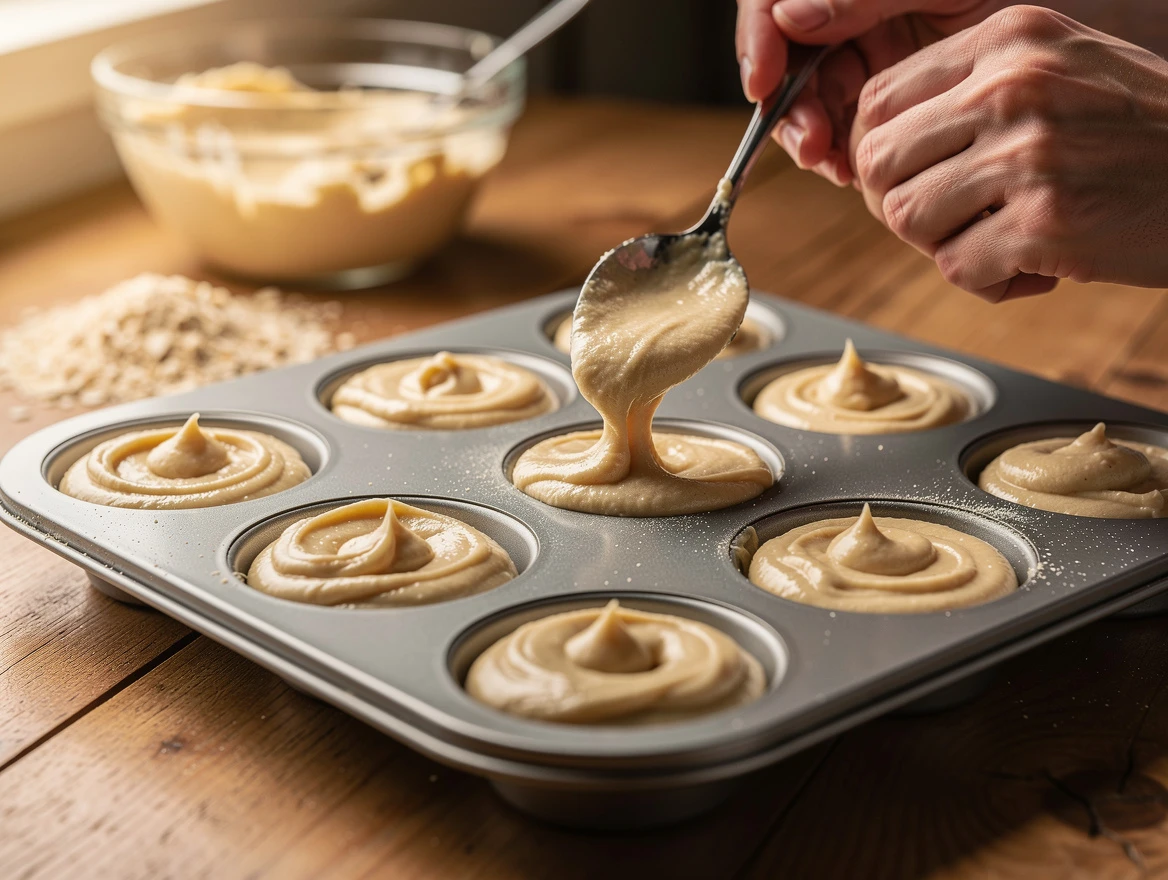
- First Trial: One innocent donut sent my glucose from 90 mg/dL (fasting state zen) to 122 mg/dL at the 1-hour mark. That’s like a polite nod from my pancreas, totally manageable.
- Second Trial (with glaze): I threw a light erythritol glaze on top just to live on the edge. The result? A measly 5 mg/dL rise over baseline—glaze approved for blood sugar ninjas.
- Third Trial (double serving): I got a little ambitious and ate two. Blood sugar rose from 92 mg/dL to 140 mg/dL—still far below what my old donut demons would do. Checked for three hours afterward. No sneaky late spikes. Score!
Basically, these tests mean you can eat your donuts without selling your blood sugar soul. Control, deliciousness, and zero regrets—yes, please.
Ingredient Substitutions & Common Mistakes to Avoid
Substitutions
- Almond flour: Fancy a new flavor? Hazelnut flour makes a delightful switch but keep your carb calculator handy.
- Sweeteners: Please, for the love of all things sugary, avoid sugar, honey, or agave here—your glucose levels will throw shade. Monk fruit or erythritol-based stevia blends are your trustworthy allies.
- Milk: Any unsweetened dairy or nut milk will do. Dodging added sugars is the name of the game.
Mistakes
- Coconut flour is like a thirsty vampire—too much, and your donuts dry out and crumble like my hopes on bake day #12. Measure with a level head.
- Overbaking? Nope, no crumbly disasters here. Set that timer, or your donuts will politely turn into hockey pucks.
- Ditching fats will leave your donuts as parched as my metaphorical soul pre-coffee. Don’t skip the oil or eggs!
Frequently Asked Questions
1. Are low-carb donuts gluten-free?
Yes! This recipe uses almond flour and coconut flour instead of traditional wheat flour. Both are naturally gluten-free. Check your baking powder and other packaged ingredients for possible cross-contamination if you need to avoid gluten strictly.
2. Are these donuts suitable for a keto diet?
They can fit into many ketogenic meal plans because they use almond flour, coconut flour, and a low-carb sweetener. However, always calculate the carbohydrates using your specific ingredients and serving size.
3. How many net carbs are in each donut?
The original recipe estimates approximately 4 grams of net carbohydrates per donut. Actual values can vary depending on the brands of almond flour, coconut flour, and sweetener used.
4. Can I make these donuts without almond flour?
Almond flour provides much of the structure and moisture in this recipe. Replacing it with coconut flour is not a direct substitution because coconut flour absorbs considerably more liquid. A different tested recipe would be needed.
5. Can I fry these donuts instead of baking them?
This recipe is specifically developed for baking in a donut pan. Frying would require a different batter consistency and cooking method, so I recommend following the baking instructions.
6. Why are my almond flour donuts crumbly?
They may be underbaked, too dry, or removed from the pan before they have had time to set. Make sure you measure the coconut flour correctly and allow the donuts to cool for approximately 5 minutes before removing them.
7. Can I make these donuts dairy-free?
Yes! The original recipe uses unsweetened almond milk and coconut or avocado oil, so it contains no required dairy ingredients. Just check the labels of your baking ingredients and sweetener.
8. Can I use monk fruit instead of erythritol?
Yes. A monk fruit sweetener blend can work well. Choose a baking-friendly product and check its sweetness conversion because some blends are much sweeter than erythritol.
9. Can children eat these homemade donuts?
These donuts can be enjoyed by children who tolerate the ingredients. However, remember that they contain almond flour, which is a tree nut, and that sugar substitutes may not be appropriate in unlimited amounts. Serve reasonable portions as part of a balanced diet.
10. How long do homemade low-carb donuts last?
For the best freshness, keep them in an airtight container in the refrigerator for approximately 3–4 days. You can also freeze unglazed donuts for up to 2–3 months for best quality.
External Resources
- Sugar-Free Donuts Recipe for Diabetics – Doughnut Lounge
- Keto Almond Flour Donuts – Sweet As Honey
- Low Carb Meal Planning for Type 2 Diabetes – Diabetes Meal Plans
- Sugar Free Donuts – Sugar Free Londoner
Internal Links on Homemade Cooks
- Diabetic Dessert Recipes
- Healthy Slow Cooker Recipes
- Healthy Pumpkin Brownies
- Pistachio Baklava
- More Diabetic Dessert Recipes
So, there it is—my healthy donut recipe that’s blood sugar-friendly, literally tested and approved with gusto (and a little bit of kitchen chaos). It’s proof positive that you don’t have to wreck your glucose levels to get a donut fix. Now, cue oven timer and get baking!
— Isabella