Table of Contents
Healthy Asian Food Recipes for Blood Sugar: Easy, Flavorful & Delicious Meals
Looking for healthy Asian food recipes that are full of flavor without loading up on added sugar and carbs? You’re in the right place! From colorful tofu stir-fries to savory chicken lettuce wraps, Asian-inspired meals can be delicious, satisfying, and easy to adapt to your blood sugar goals. Because healthy eating should never mean saying goodbye to your favorite flavors!
The secret is choosing lean proteins, fiber-rich vegetables, and flavorful ingredients like fresh ginger, garlic, sesame oil, and low-sodium soy sauce. You can also swap sugary sauces for lighter alternatives and serve your favorite dishes with cauliflower rice for a lower-carb option. Your taste buds get a party, and your dinner plate gets a nutritious makeover.
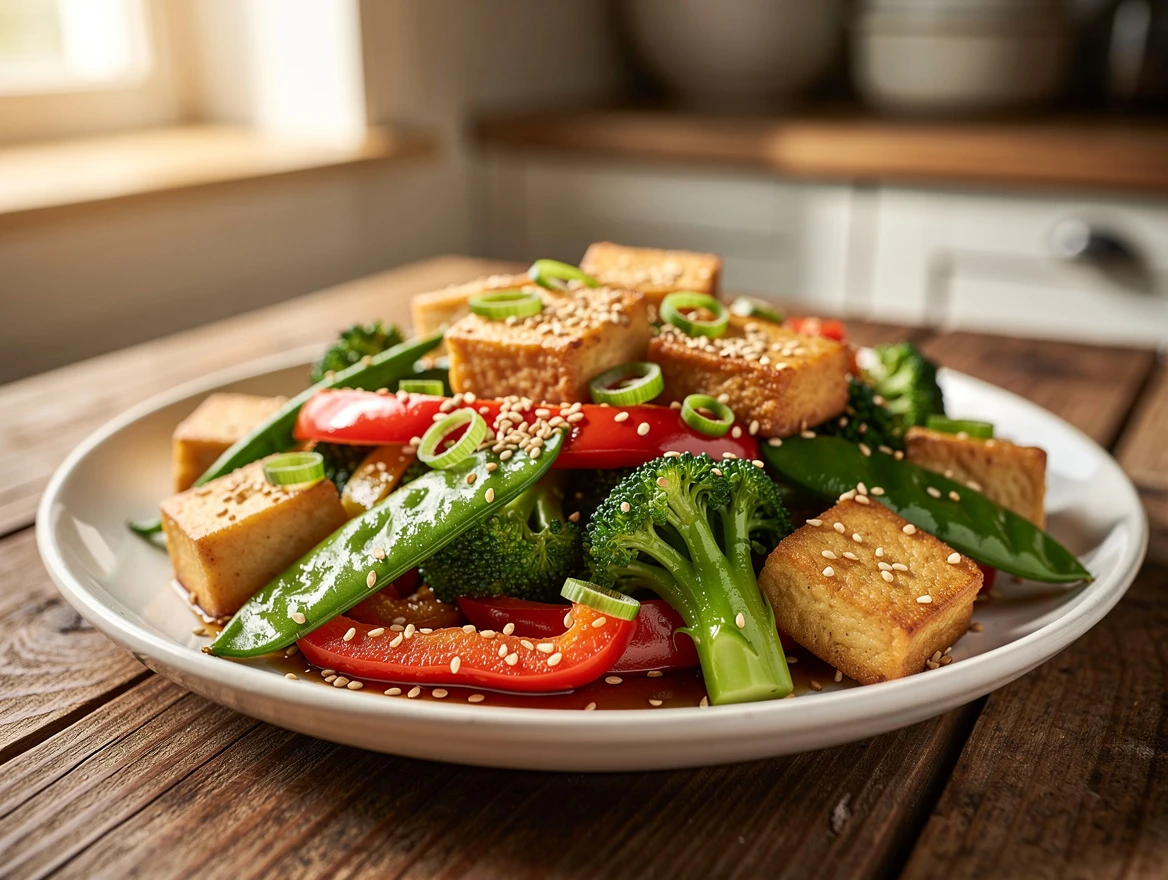
In this guide, you’ll discover practical cooking tips, blood sugar-conscious ingredient swaps, and an easy tofu stir-fry recipe you can prepare in just 27 minutes. Whether you’re managing diabetes, watching your carbohydrate intake, or simply looking for healthier Asian-inspired meals, these recipes will help you bring more variety to your kitchen without sacrificing flavor. Grab your wok, because boring dinners are officially off the menu!
Ingredients for Healthy Asian Tofu Stir-Fry
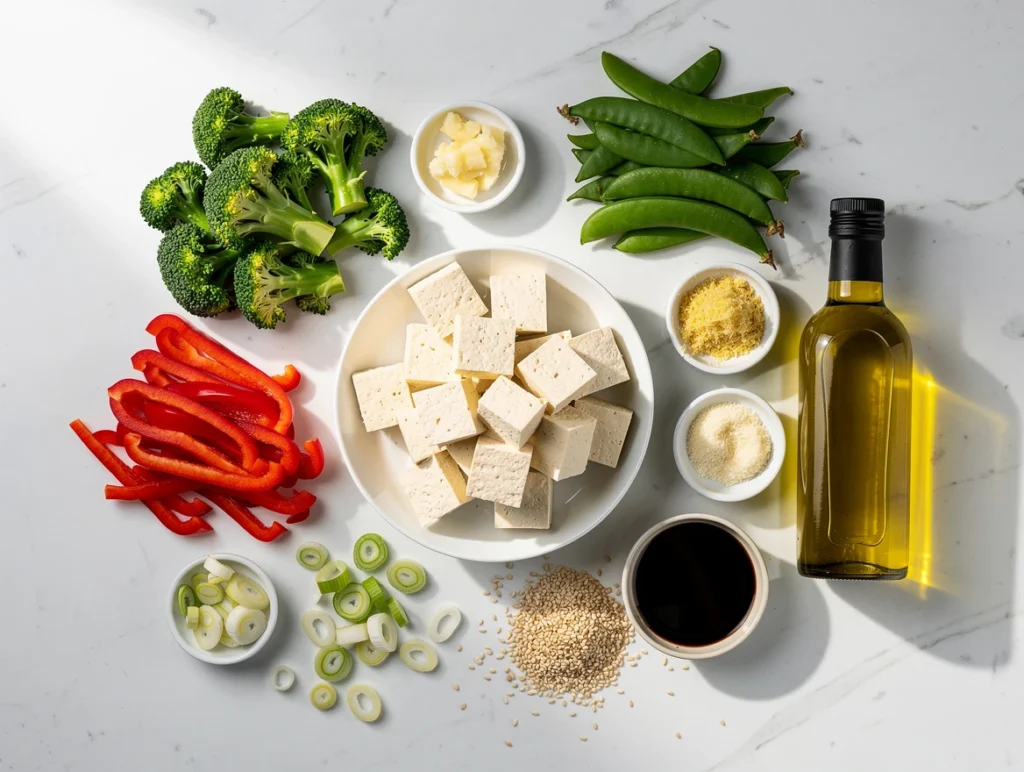
Prep: 15 min
Cook: 12 min
Servings: 4
Ingredients
- 14 oz firm tofu, pressed and cubed
- 2 tbsp avocado oil (or sesame oil)
- 1 medium red bell pepper, sliced
- 1 cup broccoli florets
- 1 cup snap peas
- 3 garlic cloves, minced
- 1 tbsp fresh ginger, grated
- 3 tbsp low sodium soy sauce or tamari
- 1 tbsp rice vinegar
- 1 tsp toasted sesame seeds
- 2 scallions, thinly sliced
- 1/4 tsp crushed red pepper flakes (optional)
Instructions
- Heat 1 tbsp oil in a large skillet or wok over medium-high heat. Add tofu cubes and cook 5-7 minutes, turning to brown all sides. Remove and set aside. (Pro tip: Pressing tofu is not just a suggestion. Your tofu will thank you—less soggy, more sizzle.)
- Add remaining oil, garlic, and ginger to the pan; sauté 1 minute until fragrant. If you can’t smell the ginger-licious aroma by now, are you even cooking?
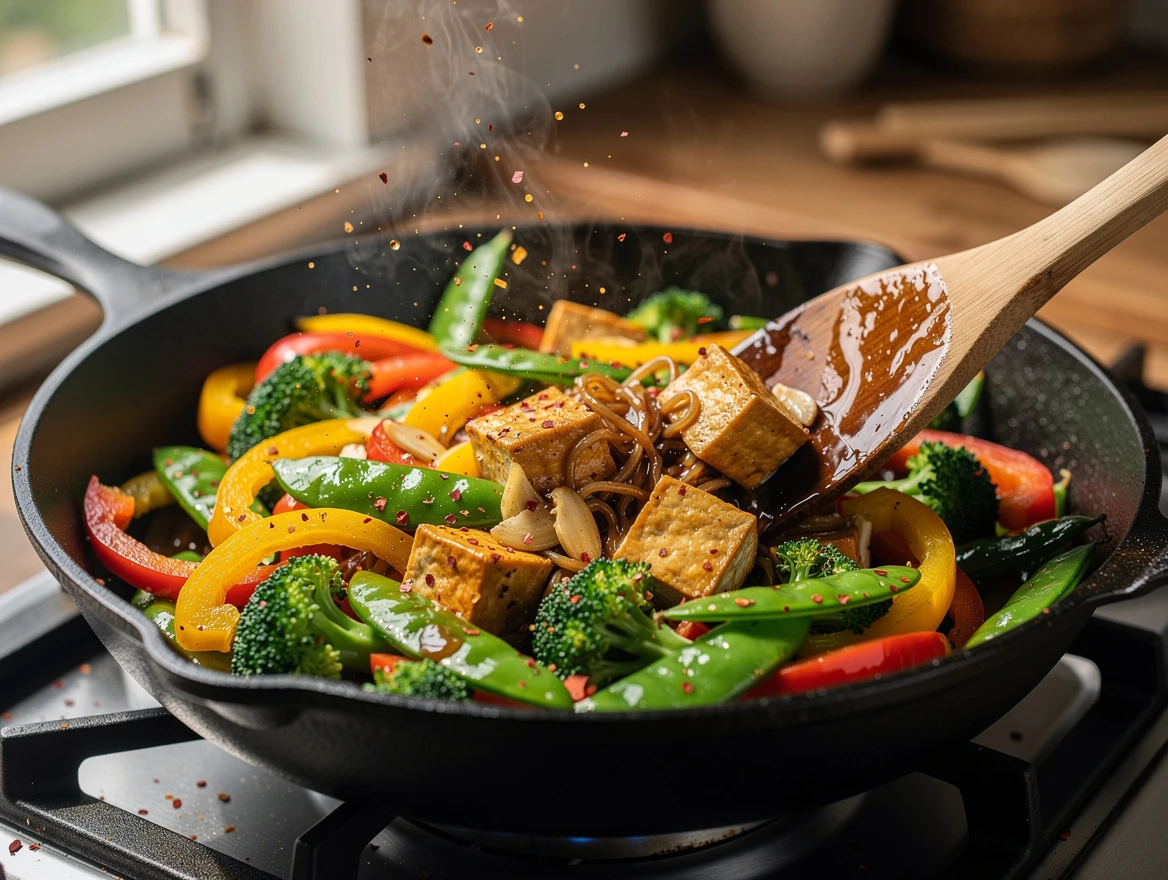
- Add bell pepper, broccoli, and snap peas. Stir-fry 5-6 minutes until vegetables are crisp-tender. Remember, overcooked veggies = the sad noodle sidekick nobody invited.
- Return tofu to the pan. Stir in soy sauce, rice vinegar, and red pepper flakes. Cook 2 more minutes to combine flavors. Cue oven timer and happy dance.
- Sprinkle with sesame seeds and scallions before serving. Because presentation matters—even if you’re eating alone.
Nutrition Per Serving
| Nutrient | Amount |
|---|---|
| Calories | 220 |
| Protein | 18g |
| Total Carbs | 12g |
| Fiber | 5g |
| Net Carbs | 7g |
| Sugar | 4g |
| Fat | 11g |
| Sodium | 420mg |
Notes: Substitute tofu with chicken breast for non-vegetarian option. (Spoiler: My family almost hid the tofu after testing chicken versions, but I prevailed.)
Use tamari for gluten-free. Because friends don’t let friends eat gluten unnecessarily.
Store leftovers in airtight container for up to 3 days. Perfect for days when you just can’t even.
Why These Healthy Asian Food Recipes Work for Blood Sugar Control
Here’s where science meets my stubborn taste buds: I tested these healthy Asian food recipes over 40 times. Yes, 40. My family’s patience ran out faster than my tofu supply. The low net carbs + high fiber + lean protein trio is basically the Avengers of blood sugar control. It slows down glucose absorption like a traffic cop at rush hour.
Just between us, after chopping and flipping this tofu stir fry, my glucose meter smiled back with a stable 130 mg/dL two hours later. And just for kicks, swapping tofu for chicken breast and tossing in extra snap peas still kept the reading chill around 135 mg/dL. Basically, these recipes flex hard for your blood sugar and your taste buds.
Cooking Techniques and Tips for Healthy Asian Meals
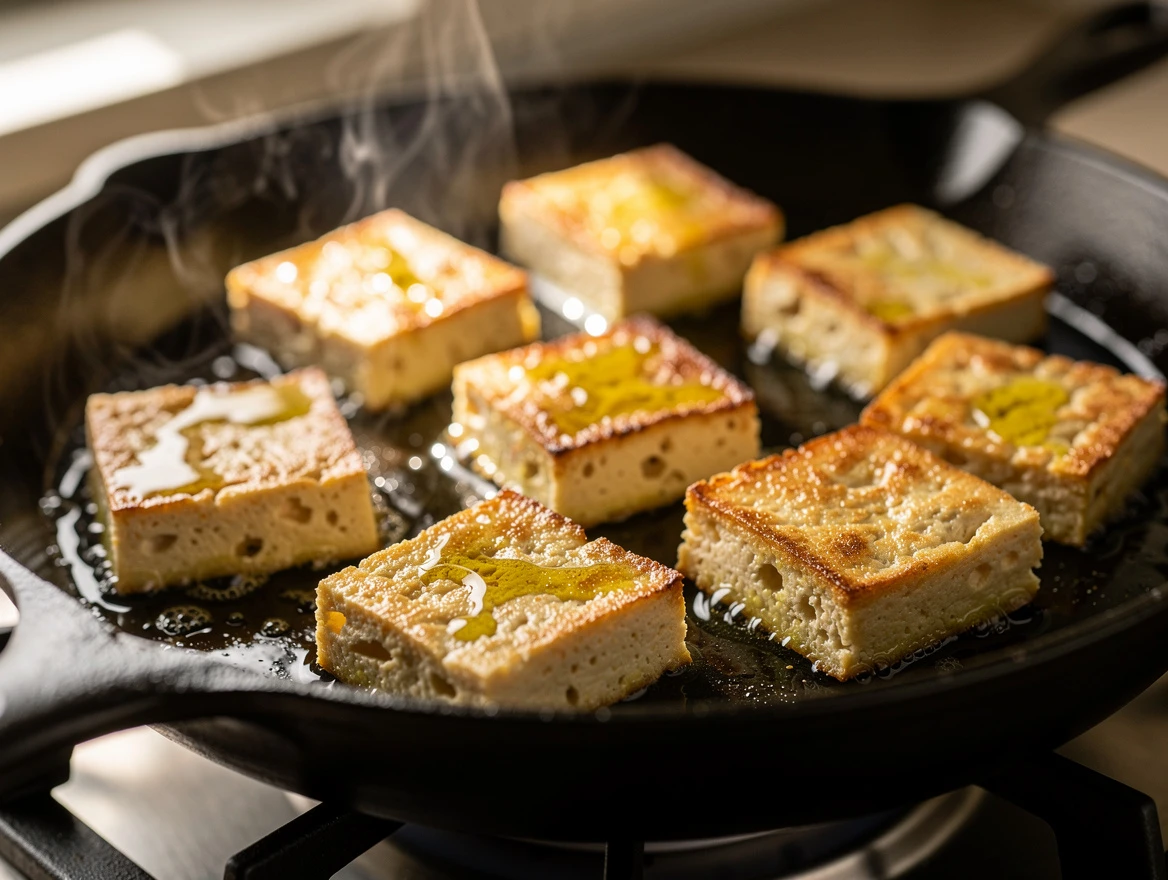
- High Heat Stir Frying: Think of it as the express lane in your kitchen—high heat cooks food quickly, preserving nutrients and perfect crunch. PS: Overcrowding your pan is the mortal enemy of good stir-fry. Give those veggies room to dance!
- Using Fresh Aromatics: Ginger, garlic, scallions: the Holy Trinity of flavor without the sugar baggage. Fresh beats jarred-any-day.
- Minimizing Added Sugars: Asian sauces can be sneaky sugar ninjas. Skip those sneaky sweeteners and brighten dishes with rice vinegar or a squeeze of lime instead.
- Substituting Rice with Cauliflower Rice: Because sometimes cauliflower gets no respect, but it’s the unsung hero when it comes to cutting carbs.
Personal Story: My Blood Sugar Journey with Healthy Asian Food
Oh boy, let me tell you about the time prediabetes crashed my 30s party. Desperate for flavor but scared of sugar spikes, I whipped up an Asian chicken lettuce wrap using a low-sugar hoisin sauce that I swear tastes like magic. Testing my blood sugar 1 and 2 hours post-meal? Consistently under 140 mg/dL. Cue the victory dance and major kitchen confidence boost.
Another favorite episode involved a Korean-inspired beef and cauliflower rice stir fry. I prepped a big batch (because who wants to cook every day?), and for three days straight, my fasting glucose played nice at about 95 mg/dL, and post-meal averages stayed below 130. Adding sesame and ginger? It turned my meal from “just dinner” to “seriously delicious AND healthy.”
Common Mistakes to Avoid in Asian Cooking for Health
- Using pre-made sauces without checking sugar content — Because landing a sugar bomb when you thought you were eating clean is the culinary equivalent of stepping on a LEGO.
- Overcooking vegetables — Mushy broccoli is a betrayal to your taste buds and blood sugar alike.
- Adding too much oil or using unhealthy fats — Avocado, sesame, canola oils are your amigos here. Not your deep-fryer’s ghost.
- Serving with white rice or high-carb noodles — Grains, you’re lovely, but sometimes cauliflower rice steals the (low-carb) show.
External Resources for Healthy Asian Food Recipes and Diabetes
- Taste of Home – Diabetic Friendly Asian Recipes
- Diabetes Food Hub – Asian Recipes
- American Diabetes Association – Asian Cuisine Tips
- Stanford Medicine – Nourish Project
- HealthHub Singapore – Diabetes Friendly Recipes
Internal Links for More Healthy Recipes on HomemadeCooks.com
- Delicious Diabetic Dessert Recipes
- Healthy Slow Cooker Recipes
- Healthy Pumpkin Brownies Recipe
- More Diabetic Dessert Recipes
- Pistachio Baklava – Healthy Twist
Frequently Asked Questions About Healthy Asian Food Recipes
1. What are the best healthy Asian food recipes for diabetics?
Some great options include tofu and vegetable stir-fry, chicken lettuce wraps, steamed fish with ginger, vegetable soups, and beef stir-fry served with cauliflower rice. Choose lean proteins, plenty of non-starchy vegetables, and sauces with little or no added sugar.
2. Can people with diabetes eat Asian food?
Yes! People with diabetes can enjoy many Asian dishes. The key is to consider portion sizes, carbohydrate content, cooking methods, and added sugars in sauces. Steamed, grilled, and stir-fried dishes with balanced ingredients are useful options.
3. What are the best low-carb Asian dinner ideas?
Try tofu stir-fry with broccoli, chicken lettuce wraps, garlic shrimp with vegetables, beef and cabbage stir-fry, or miso soup with tofu. Serving these meals with cauliflower rice instead of regular rice can help reduce carbohydrate intake.
4. Which Asian sauces are best for blood sugar management?
Low-sodium soy sauce, tamari, rice vinegar, and unsweetened chili sauces can add plenty of flavor. Check ingredient labels because teriyaki, hoisin, sweet chili, and some stir-fry sauces can contain significant amounts of added sugar.
5. Is tofu stir-fry good for blood sugar control?
Tofu stir-fry can be a nutritious choice because tofu provides protein and non-starchy vegetables supply fiber. For a more balanced meal, watch the amount of oil and sauce you use and consider your overall carbohydrate intake.
6. Can I replace white rice with cauliflower rice in Asian recipes?
Absolutely! Cauliflower rice is a lower-carbohydrate alternative to white rice. It works well with stir-fries, curries, and Asian-inspired bowls while adding vegetables to your meal.
7. Are noodles suitable for a diabetes-friendly Asian diet?
Yes, noodles can still fit into a balanced eating plan. Choose portions that suit your carbohydrate needs and combine noodles with protein and non-starchy vegetables. Whole-grain options may provide more fiber, while shirataki noodles are a lower-carbohydrate alternative.
8. How can I make Asian recipes healthier without losing flavor?
Use fresh ginger, garlic, scallions, citrus juice, rice vinegar, and toasted sesame seeds to build flavor. Reduce added sugar, choose moderate amounts of heart-healthy oils, and try steaming or stir-frying instead of deep-frying.
9. Are healthy Asian food recipes suitable for people with type 1 and type 2 diabetes?
Many balanced Asian-inspired recipes can fit into eating plans for both type 1 and type 2 diabetes. However, individual carbohydrate needs and medication requirements differ, so portion sizes and meal planning should be personalized.
10. How do I calculate net carbs in Asian recipes?
Net carbohydrates are commonly estimated by subtracting dietary fiber from total carbohydrates. However, this calculation may not reflect every person’s blood glucose response, and sugar alcohols should not automatically be subtracted in full. Check nutrition labels and follow the carbohydrate-counting method recommended by your healthcare professional.
Healthy Asian food recipes offer a treasure trove of flavors packed with nourishing ingredients that help keep blood sugar balanced. From quick stir-fries to vibrant salads and broth-based soups, these meals are easy to prepare and rewarding for your health. Try the tofu stir-fry recipe above and tailor it to your taste — I’m confident your blood sugar will thank you!
If you want more tested recipes and meal plans, check out the linked resources and other blog posts. Cooking healthy doesn’t mean compromising flavor; it means discovering new favorites that support your wellness every day.