Table of Contents
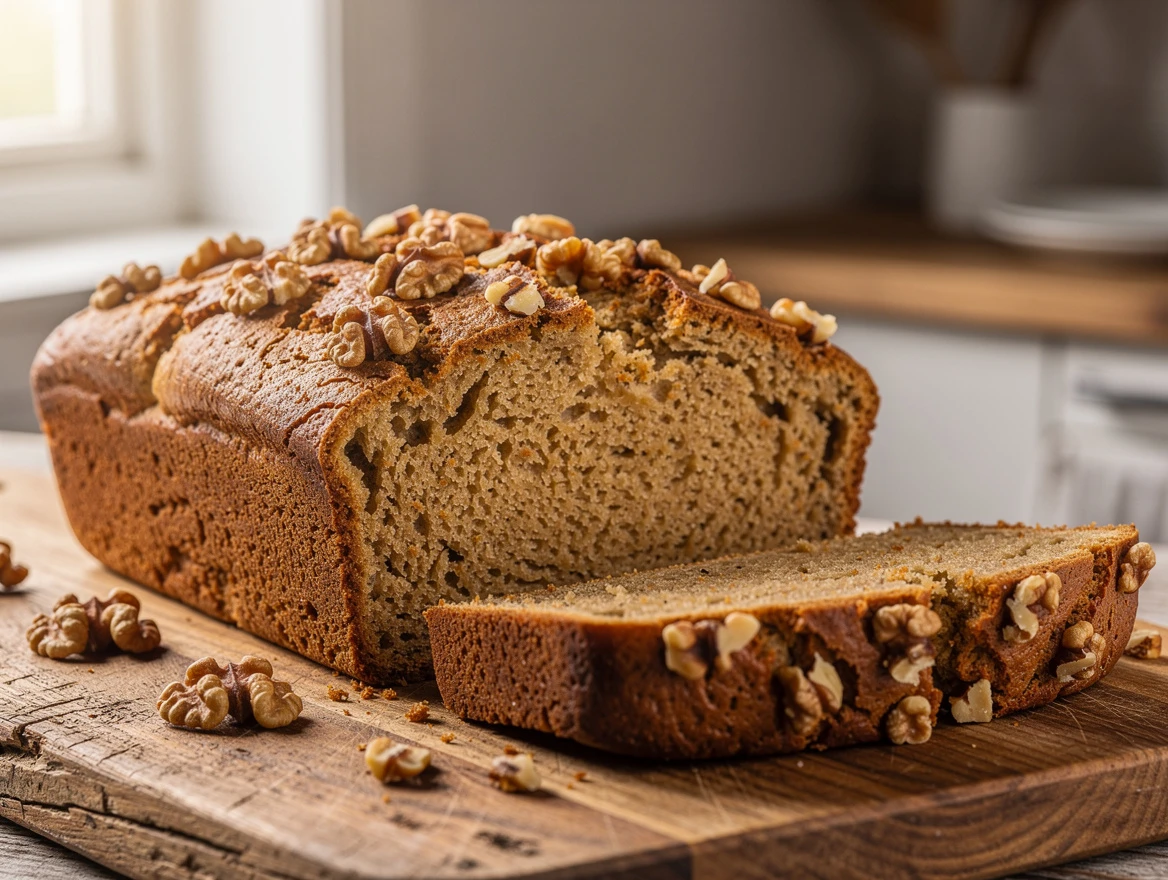
Have a bunch of brown, spotty bananas sitting on your kitchen counter? Don’t throw them away! These Overripe Bananas Healthy Recipes are a delicious way to turn extra-ripe bananas into wholesome treats your whole family can enjoy. From moist banana bread to fluffy pancakes, creamy smoothies, and easy breakfast muffins, overripe bananas add natural sweetness and moisture to a variety of homemade recipes.
One of the best ways to use them is in this diabetic-conscious banana bread, made with almond flour, coconut flour, eggs, Greek yogurt, cinnamon, and a low-carb sweetener. The combination creates a tender, flavorful loaf without the need for large amounts of added sugar. Although ripe bananas still contain carbohydrates and natural sugars, choosing balanced ingredients and sensible portions can help you enjoy them as part of your eating plan. Whether you’re looking for a healthier breakfast, a satisfying snack, or creative ways to use up leftover bananas, these recipes make every ripe banana count!
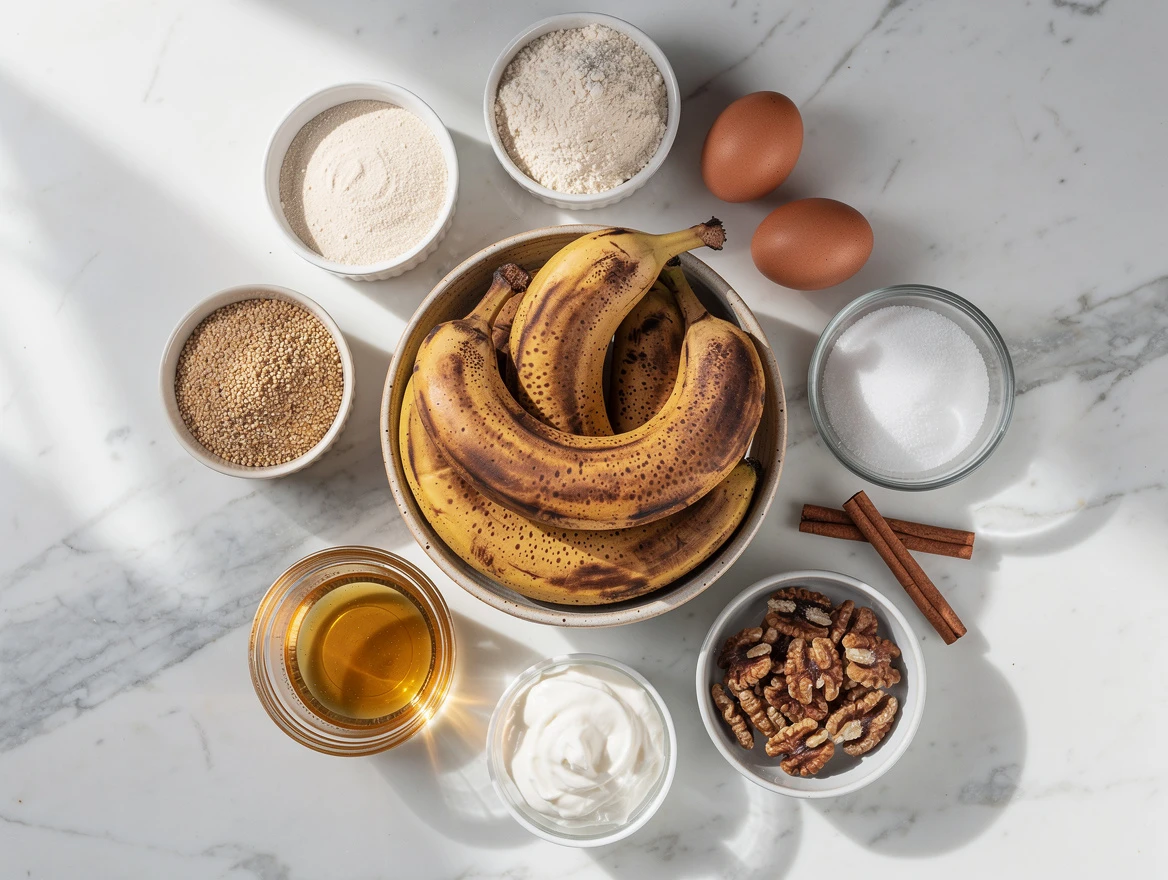
Ingredients for Healthy Overripe Banana Bread
Prep: 10 min | Cook: 40 min | Servings: 12
Diabetic-Friendly Banana Bread (Using Overripe Bananas)
Ingredients
- 3 medium overripe bananas (about 1 1/2 cups mashed)
- 1/4 cup xylitol or erythritol sweetener
- 3 large eggs
- 1/4 cup unsweetened Greek yogurt
- 1/4 cup melted coconut oil or avocado oil
- 1 tsp vanilla extract
- 1 1/2 cups almond flour
- 1/4 cup coconut flour
- 1 tsp baking soda
- 1/2 tsp sea salt
- 1 tsp cinnamon
- 1/4 cup chopped walnuts (optional)
Instructions
- Preheat oven to 350°F (175°C). Line a 9×5-inch loaf pan with parchment paper.
- In a large bowl, mash the overripe bananas like your last nerve depends on it.
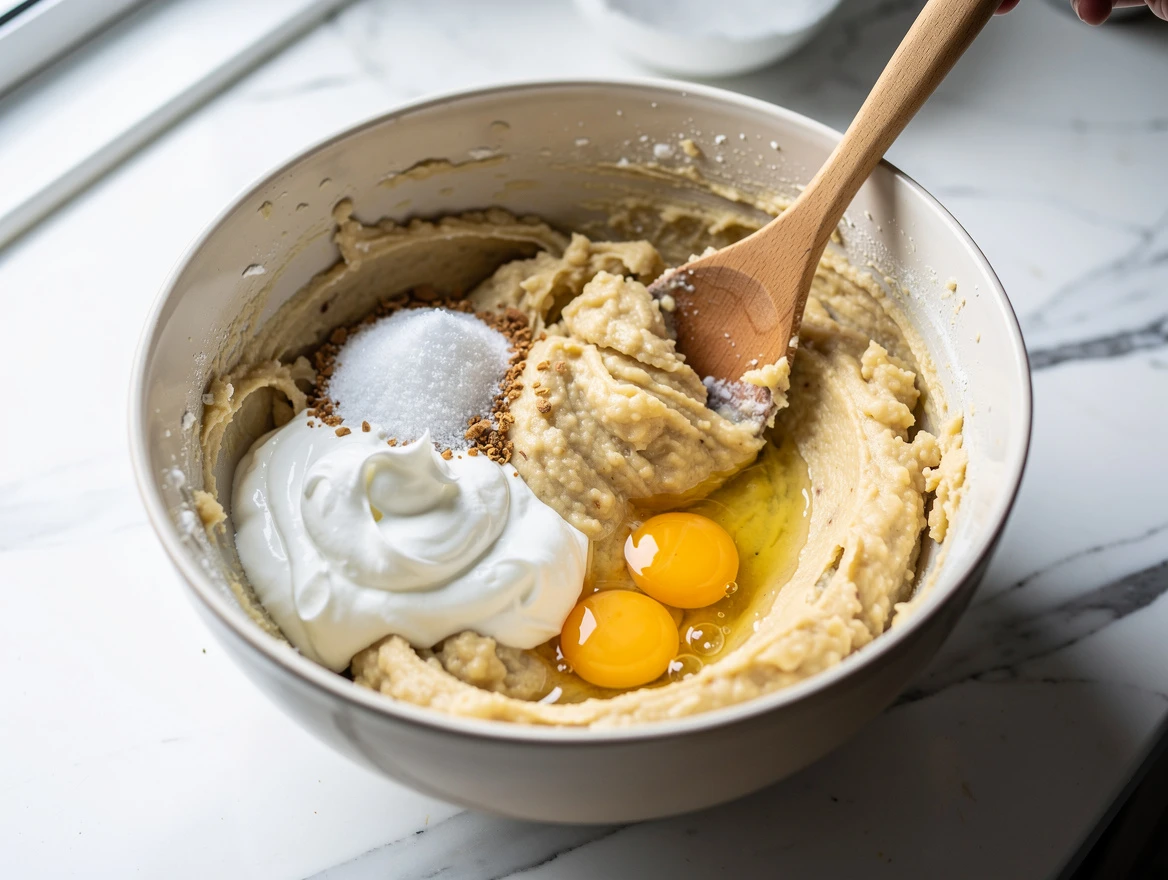
- Add xylitol, eggs, Greek yogurt, melted oil, and vanilla. Stir like you mean it, or until well combined.
- In another bowl, whisk almond flour, coconut flour, baking soda, salt, and cinnamon — because basic dry ingredients deserve a moment alone.
- Fold wet ingredients into dry, mixing just until they say hello — no over-mixing drama here.
- Channel your inner squirrel and fold in walnuts if you’re feeling nutty.
- Pour batter into loaf pan and bake for 38-40 minutes, or until a toothpick inserted in the center emerges clean and victorious.
- Let cool completely before slicing — patience is a virtue, I know.
Nutrition Per Serving
| Calories | 185 |
|---|---|
| Protein | 5g |
| Total Carbs | 12g |
| Fiber | 4g |
| Net Carbs | 8g |
| Sugar | 4g (all from those lovely bananas) |
| Fat | 14g |
| Sodium | 210mg |
– Swap walnuts for pecans or pumpkin seeds if you want to mix up the nut party.
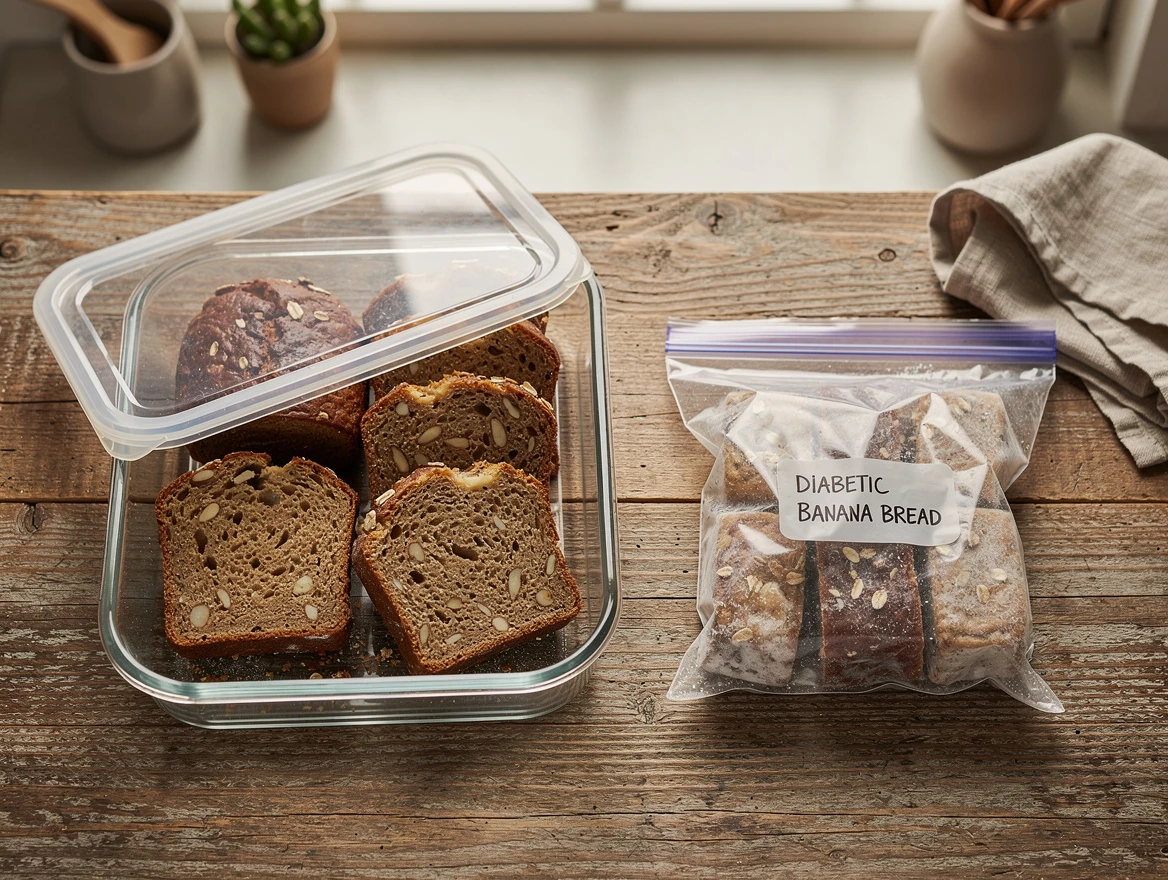
– Store your leftover bread in an airtight container at room temp for 3 days or refrigerate up to 1 week — if it lasts that long.
– Freezer-friendly to the rescue: wrap tight and freeze for up to 3 months for future you.
Why Overripe Bananas Are a Smart Choice for Healthy Recipes
Here’s the scoop: as bananas age, their stiff, starch-filled insides become a sweet, squishy sugar party. This natural sweetness means you don’t need to drown your banana bread in sugar or artificial sweeteners that can send blood sugar on a rollercoaster. Plus, their extra moisture means less butter or oil is required, which is a win-win for your waistline and your glucose numbers.
I once nailed a batch of diabetic-friendly banana bread using overripe bananas, almond, and coconut flour — the unsung heroes of low-carb baking. Thanks to the fiber and healthy fats, my continuous glucose monitor (CGM) threw me a modest post-meal party under 140 mg/dL. That’s the kind of party your pancreas wants to RSVP to.
Top Tips for Cooking with Overripe Bananas in Low-Carb, Diabetic-Friendly Recipes
- Choose Alternative Flours: Almond and coconut flours are your blood sugar’s BFFs — low in net carbs and high in fiber. Plus, they keep your recipes moist and delish.
- Use Natural Sweeteners: Swap sugar for xylitol, erythritol, or monk fruit sweeteners. Trust me, your glucose levels will thank you. And no, stevia doesn’t taste like Satan in every recipe.
- Add Protein and Healthy Fats: Eggs, nuts, Greek yogurt, and oils don’t just make your recipes taste gourmet — they slow digestion and keep blood sugar smoother than your favorite jazz playlist.
- Test Blood Sugar Response: If you’re dancing with diabetes, never skip the before and after blood sugar readings when trying new recipes. Your body writes the best recipe reviews.
- Watch Portion Sizes: Even the healthiest recipes can throw a carb curveball if you binge. Keep portions in check like a boss.
My Personal Stories: Overripe Bananas Healthy Recipes & Blood Sugar
Story 1: Low-Carb Banana Muffins & A Morning Glucose Check
One groggy morning, I whipped up low-carb banana muffins with almond flour and zero added sugar. Bonus fiber hit courtesy a tablespoon of chia seeds. Two hours later, my glucose clocked in at a chill 135 mg/dL — exactly where I wanted. Breakfast of champions? Absolutely.
Story 2: Banana Smoothie for an Afternoon Pick-Me-Up
Throwing one overripe banana into a blender with unsweetened almond milk, spinach, protein powder, and flaxseed saved me from the 3 PM crash attack. Ninety minutes after sipping, my glucose held steady at 120 mg/dL. Pro tip: protein + fat + fiber = glucose zen. You feel me?
Story 3: Banana Oat Pancakes with Modified Oats
I got creative and used a 50/50 blend of rolled oats and oat fiber (hello, lower net carbs), tossed in one ripe banana for sweetness, and voilà — pancakes that only nudged my blood sugar to 140 mg/dL. That’s practically a metabolic mic drop compared to regular pancake chaos.
More Overripe Bananas Healthy Recipes to Try
- Sugar-Free Banana Chia Pudding: Blend up those overripe bananas with chia seeds and unsweetened almond milk. Pro tip: overnight chill makes everything better.
- Low-Carb Banana Nut Pancakes: Almond flour, baking powder, mashed bananas, and walnuts walk into a pan… and boom, breakfast heaven.
- Banana Protein Breakfast Bars: Mix overripe bananas, protein powder, almond butter, and flaxseed meal. Bake, slice, devour — repeat.
Common Mistakes When Using Overripe Bananas in Diabetic Recipes
- Going full wheat or white flour on me — carb chaos incoming!
- Piling on sugar like the bananas aren’t sweet enough (newsflash: they are).
- Skipping protein or fat like you forgot the main act.
- Not checking blood sugar because you’re playing recipe roulette.
Frequently Asked Questions About Healthy Overripe Banana Recipes
1. What can I make with overripe bananas?
You can make banana bread, muffins, pancakes, smoothies, chia pudding, breakfast bars, and many other homemade treats. Overripe bananas are particularly useful in recipes that benefit from natural sweetness and moisture.
2. Are overripe bananas good for healthy baking?
Yes! Overripe bananas are soft, easy to mash, and naturally sweet, making them useful for baking. However, they still contain carbohydrates and natural sugars, so the overall ingredients and serving size matter.
3. Can I use overripe bananas in low-carb recipes?
Yes, in moderation. You can use a smaller amount of mashed banana alongside lower-carbohydrate ingredients such as almond flour, eggs, nuts, and suitable sweeteners. Keep in mind that bananas still contribute carbohydrates, even when the recipe contains no added sugar.
4. Is banana bread suitable for people with diabetes?
Banana bread can fit into some diabetes meal plans, depending on the ingredients, portion size, and individual carbohydrate needs. Using almond flour and reducing added sugar may change the nutritional profile, but it does not guarantee that the bread will prevent blood sugar rises.
5. How do I make banana bread without added sugar?
Use ripe bananas for sweetness and omit added sugar, or use a suitable alternative sweetener if desired. Remember that ripe bananas naturally contain sugars, so banana bread without added sugar is not necessarily sugar-free.
6. Can I freeze overripe bananas for later recipes?
Absolutely! Peel the bananas, cut them into pieces if desired, and store them in a freezer-safe container or bag. Frozen bananas work well in smoothies and baking. Thaw them before measuring mashed banana for bread, and account for the extra liquid they may release.
7. How should I store healthy banana bread?
Store banana bread in an airtight container in the refrigerator for up to one week. You can also freeze individual slices for up to three months for convenient breakfasts and snacks. Allow frozen slices to thaw before serving or gently reheat them.
8. Which flour is best for healthy banana bread?
Almond flour creates a moist texture and adds protein and fat, while coconut flour absorbs more moisture and contributes fiber. This recipe combines both, so it’s best to follow the stated measurements rather than substituting one flour for the other in equal amounts.
9. Can I make banana muffins using this recipe?
Yes, you can adapt the batter for muffins. Divide it among lined muffin cups and begin checking for doneness earlier than you would for a full loaf. The exact baking time will depend on the size of the muffins and your oven.
10. How can I estimate net carbohydrates in banana recipes?
A common calculation is total carbohydrates minus dietary fiber. Some people also subtract certain sugar alcohols, but the appropriate calculation depends on the sweetener and the nutrition-labeling rules used in your region. For diabetes management, total carbohydrates and your individual response are also important.
Authoritative Sources for Further Reading:
- Whole Healthy Kitchen – Diabetic-Friendly Banana Bread
- Epicurean Flow – Diabetes-Friendly Cooking Mistakes & Tips
- MyGlu – Diabetic Diet Recipes Guide
- Diabetic Me – Easy Diabetic-Friendly Recipes
Related HomemadeCooks.com Recipes You’ll Love
- Diabetic Dessert Recipes
- Healthy Slow Cooker Recipes
- Healthy Pumpkin Brownies
- Pistachio Baklava Healthy Version
- More Diabetic Dessert Recipes
Incorporating overripe bananas into your healthy recipes isn’t just smart — it’s the breakfast (and snack) flex your glucose levels will quietly applaud. Balanced, delicious, and a little bit badass, these recipes turn browning bananas into blood sugar-friendly delights. So stash those spotted bananas, fire up your measuring spoons, and let’s make diabetes-friendly magic happen.
Happy cooking and keep those glucose numbers steady!
— Isabella, HomemadeCooks.com Healthy Recipe Developer