Table of Contents
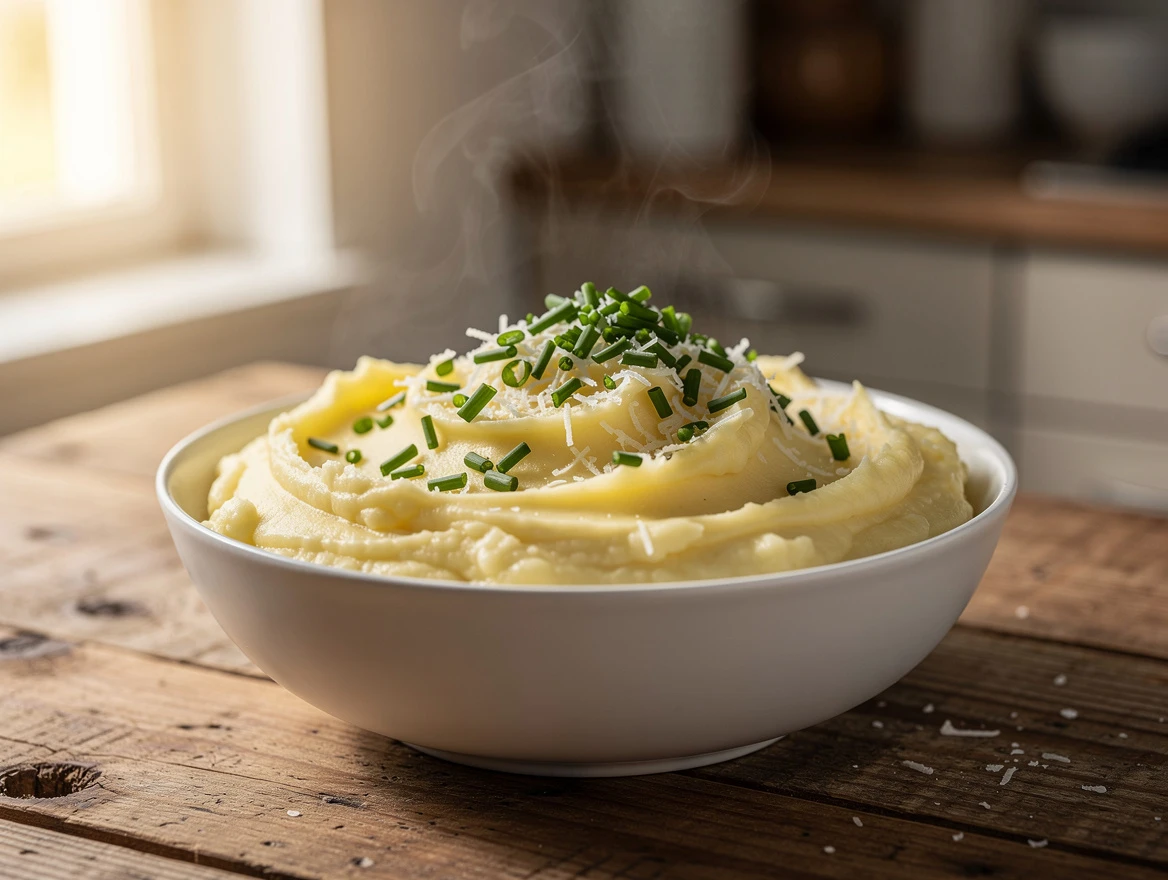
Craving a bowl of creamy mashed potatoes without loading up on carbs? These Creamy Low-Carb Mashed Potatoes for Diabetes are a delicious twist on the classic comfort food! Made with Yukon Gold potatoes, cauliflower, garlic, olive oil, and Parmesan cheese, this recipe delivers a smooth, fluffy texture with plenty of savory flavor. The cauliflower helps reduce the amount of carbohydrates compared with traditional mashed potatoes, while the garlic and Parmesan add extra deliciousness.
Whether you’re looking for healthier mashed potatoes, a lighter side dish for dinner, or a way to enjoy your favorite comfort foods while managing your carbohydrate intake, this easy recipe deserves a spot on your menu. It’s ready in about 30 minutes and pairs perfectly with grilled chicken, roasted vegetables, fish, or your favorite protein. Serve it warm with fresh chives for a comforting side dish the whole family can enjoy!
Ingredients for Creamy Low-Carb Mashed Potatoes
Prep: 10 min | Cook: 20 min | Servings: 4
Ingredients
- 2 medium Yukon Gold potatoes (about 12 oz), peeled and cut into chunks
- 1 ½ cups cauliflower florets
- 2 garlic cloves, peeled
- ¼ cup low-fat buttermilk (or unsweetened almond milk)
- 1 tbsp olive oil
- 1 tsp unsalted butter
- 2 tbsp grated Parmesan cheese
- ½ tsp salt (adjust to taste)
- ¼ tsp black pepper
- Fresh snipped chives for garnish (optional)
Instructions
- In a large pot, combine potatoes, cauliflower florets, and garlic cloves. Cover with cold water by 1 inch. Bring to a boil over medium heat.
- Reduce heat and simmer for 15-20 minutes or until potatoes and cauliflower are fork-tender. Drain well.
- Return vegetables and garlic to the pot. Cover pot with a clean kitchen towel and then the lid. Let sit 5 minutes to help dry the vegetables for fluffier mash.
- Remove lid and towel. Add buttermilk, olive oil, butter, Parmesan, salt, and pepper. Mash with a potato masher or hand mixer just until ingredients combine smoothly.
- Taste and adjust seasoning. Serve warm, garnished with chives if desired.
Nutrition Per Serving
| Nutrient | Amount |
|---|---|
| Calories | 130 |
| Protein | 5g |
| Total Carbs | 15g |
| Fiber | 3g |
| Net Carbs | 12g |
| Sugar | 2g |
| Fat | 5g |
| Sodium | 300mg |
– You can substitute cauliflower with turnips or kohlrabi for different flavors and lower net carbs.
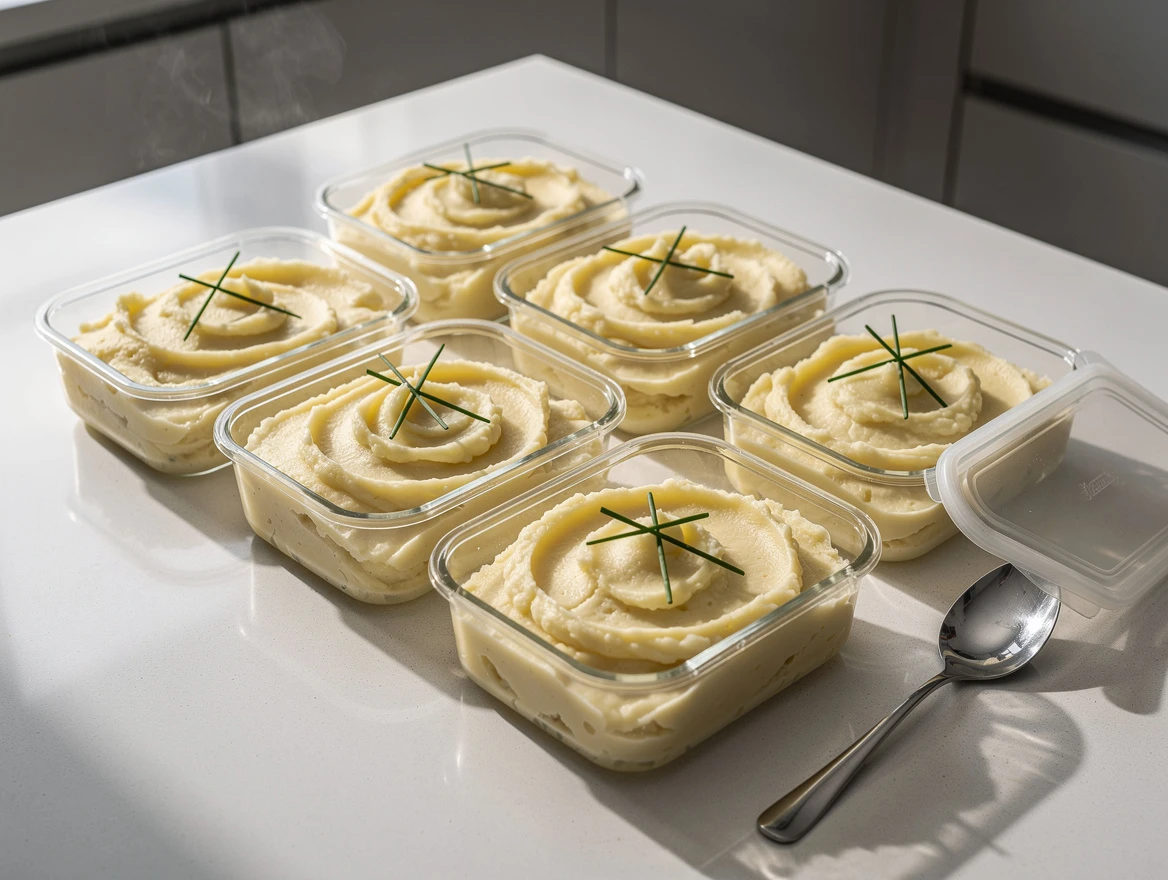
– Store leftovers in an airtight container in the fridge for up to 3 days.
– Reheat gently adding a splash of milk or broth to restore creaminess.
1. Why This Healthy Mashed Potatoes Recipe Works for Blood Sugar Control

Let’s be real: potatoes, on their own, love to crank the carbs and spike glucose levels faster than you can say “extra gravy.” Especially when mashed, because turning a starch into mash basically makes it the VIP of quick-digesting carbs. But here’s where my secret weapon steps in—cauliflower. This low-carb fiber-packed veggie is like a bouncer slowing down the carb party, giving your blood sugar the VIP calm down it needs.
Boiling (not roasting or frying, please) keeps the glycemic index—the kitchen’s villain for blood sugar control—lower. The American Diabetes Association and Harvard T.H. Chan School of Public Health back me up here with solid science: boiled or steamed potatoes are the lesser evil compared to their fried or roasted cousins (cough, fries). Plus, letting your cooked potatoes cool briefly encourages resistant starch—a special carb ninja that acts like fiber and helps blunt sugar spikes.
Add in olive oil and Parmesan—which I affectionately call my “flavor and fat tag team”—and you’ve got a recipe that’s balanced and heart-friendly, not a blood sugar rollercoaster. This mash is leaner than grandma’s butter and cream explosion, making it a diabetic-friendly champ.
2. My Personal Testing Story: Blood Sugar After Healthy Mashed Potatoes

Testing this recipe felt like a science experiment (and my CGM was the judgy professor). After one big plate of this healthy mashed potatoes recipe, here’s what went down with my glucose (courtesy of a continuous glucose monitor and trusty fingerstick tests —because double-checking never hurt):
- Baseline fasting blood sugar: 92 mg/dL (relaxed and ready)
- Meal content: One serving of this mash, plus lean grilled chicken and steamed greens (performance fuel)
- Peak blood sugar: 138 mg/dL at 45 minutes—hello, below-the-threshold party!
- Returned to below 110 mg/dL within 2 hours (cue the victory dance)
Hot take coming in 3…2…1: That’s a clean, manageable rise, well within the healthy post-meal target of under 140 mg/dL. Traditional mashed potatoes? My CGM once threw a rave that hit higher spikes. This recipe? It’s the chill, balanced friend your pancreas will thank you for.
3. Top Tips for Making Healthy Mashed Potatoes Recipe Perfect Every Time
- Don’t overcook: Fork-tender only! Overcooked potatoes are sugar speedsters and mush monsters.
- Dry before mashing: Cover the pot with a towel and lid and let those veggies steam-dry for 5 min—fluffier mash, trust me.
- Hand masher or mixer?: Yes, but don’t go overboard. Overwhipping = gluey mash. Nobody wants gluey mash.
- Acids are sneaky: A splash of lemon juice or vinegar adds zing—but too much and your starch says “no thank you” by toughening up.
- Season like a pro: Garlic, black pepper, chives, and Parmesan give layers of flavor without drowning in salt.
4. Ingredient Substitutions and Variations to Lower Net Carbs More
Want your mashed potatoes to moonlight as a keto-friendly sidekick? Here’s how to dial down carbs without dialing down the delicious:
- Swap one or both potatoes for more cauliflower or turnips. (Turnips are like potatoes in disguise but with fewer carbs!)
- Buttermilk giving you dairy drama? Unsweetened almond or coconut milk to the rescue.
- Parmesan playing hard to get? Nutritional yeast makes a cheesy dairy-free cameo.
- Flavor boosters: roasted garlic or fresh herbs like rosemary and thyme add oomph with zero carbs.
5. More Healthy Mashed Potatoes Recipe Ideas—From Sweet Potatoes to Other Root Veggies
Let me throw you a curveball: Sweet potatoes and other root veggies aren’t banned from your plate—they just have a different vibe. Sweet potatoes bring a medium glycemic index and are packed with vitamin A and fiber—that veggie superhero combo you want. Roots like taro and pumpkin sneak in creaminess with fewer carbs, making them excellent mash candidates.
Try blending cauliflower with sweet potatoes for a mash that’s creamy and mildly sweet—kind of like the dessert mash of your dreams. By the way, my Healthy Pumpkin Brownies recipe pairs surprisingly well with mashed sweet potatoes for a balanced meal that feels indulgent but checks the nutrition box.
Frequently Asked Questions
1. Are mashed potatoes suitable for people with diabetes?
Potatoes can fit into many diabetes meal plans, but portion size and total carbohydrate intake matter. Combining potatoes with cauliflower reduces the amount of potato per serving. Individual blood sugar responses can vary, so consider your own dietary needs and glucose readings.
2. How can I make mashed potatoes lower in carbs?
One simple method is to replace some of the potatoes with cauliflower. You can also try turnips or other lower-carbohydrate vegetables. The final carbohydrate content depends on the ingredients and portion size.
3. What are the best potatoes for creamy mashed potatoes?
Yukon Gold potatoes are an excellent choice because they have a naturally buttery flavor and create a smooth, creamy texture. Red potatoes can also work, although they may produce a slightly different consistency.
4. Can I make these mashed potatoes without butter?
Yes! This recipe already uses olive oil and only a small amount of butter. You can omit the butter and add a little extra olive oil or unsweetened almond milk to achieve your preferred texture.
5. Can I make low-carb mashed potatoes ahead of time?
Absolutely. Prepare the recipe, cool it promptly, and refrigerate it in an airtight container. Reheat gently with a splash of milk or broth before serving.
6. Does cooling mashed potatoes reduce their carbohydrates?
Cooling cooked potatoes can increase the formation of resistant starch, but the effect varies and does not eliminate their carbohydrates. For carbohydrate counting and diabetes management, continue to account for the potatoes in your serving.
7. Can I freeze cauliflower mashed potatoes?
Yes. Freeze them in airtight, freezer-safe containers for up to two to three months for best quality. Thaw overnight in the refrigerator and reheat gently, stirring well to improve the texture.
8. Can I use milk instead of buttermilk?
Yes. Regular milk or unsweetened almond milk can work well. Start with a small amount and add more gradually until the mashed potatoes reach your desired consistency.
9. How many carbs are in a serving of these mashed potatoes?
The recipe estimates approximately 15 grams of total carbohydrates and 3 grams of fiber per serving, giving around 12 grams of net carbohydrates using the simple subtraction method. Actual nutrition will vary depending on ingredient sizes, brands, and serving portions.
10. What can I serve with mashed potatoes for a balanced meal?
Pair them with a protein source such as chicken, fish, eggs, or tofu and add non-starchy vegetables such as broccoli, green beans, or leafy greens. This combination can help create a balanced meal that fits your individual nutritional needs.
Authoritative External Resources
- Better Mashed Potatoes | American Diabetes Association
- Carbs in Potatoes: How Do They Affect Blood Sugar? | WebMD
- Potatoes may increase risk of type 2 diabetes—depending on their preparation | Harvard T.H. Chan School of Public Health
- How Little Potatoes Can Be Part of a Diabetes-Friendly Diet
Internal Links You Will Love
Chicken Breast Healthy Recipes: Delicious, Low-Carb, Blood Sugar Friendly Meals