Table of Contents
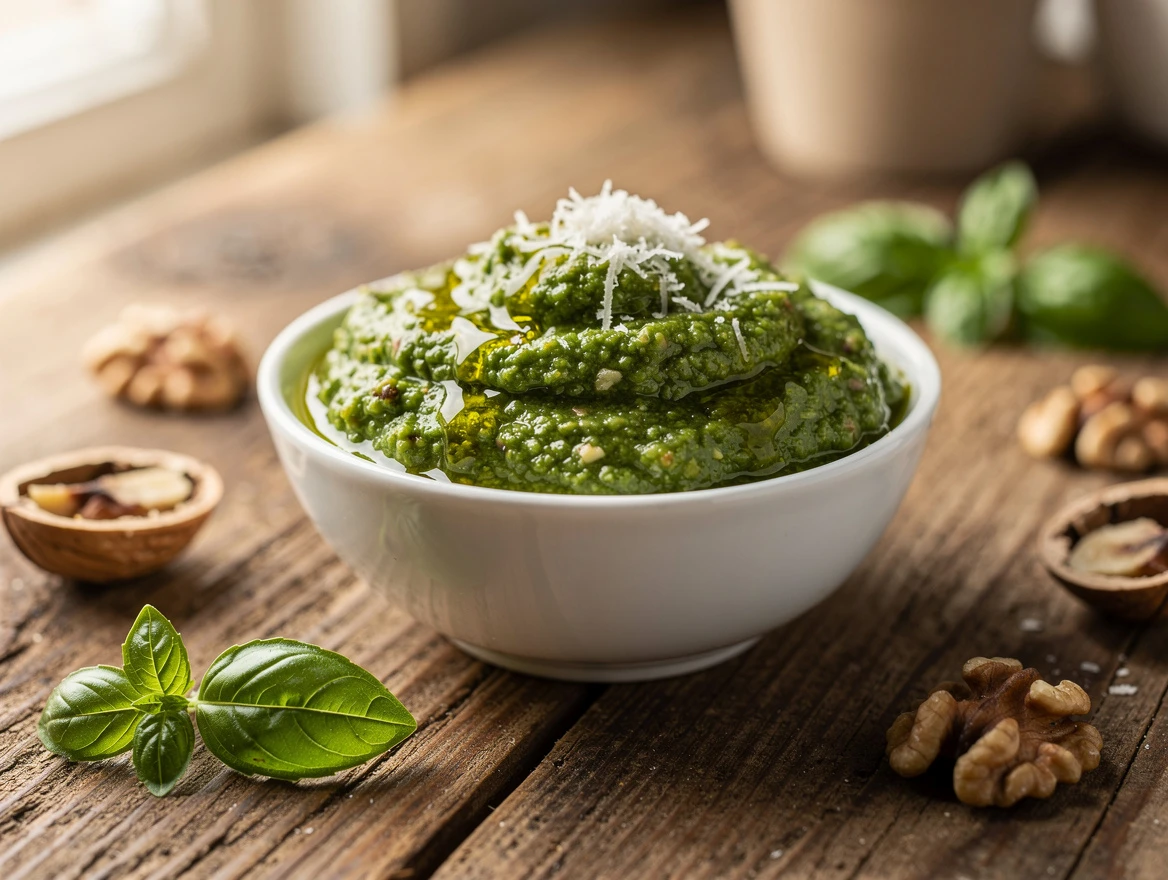
If you’re looking for a healthy pesto recipe that’s fresh, flavorful, and easy to make, this homemade version deserves a spot in your kitchen. Made with fresh basil, walnuts or pine nuts, Parmesan, garlic, and extra virgin olive oil, it comes together in just 10 minutes and adds a burst of flavor to everything from grilled chicken to roasted vegetables.
This pesto is naturally low in carbohydrates compared with many pasta sauces, and it contains healthy fats from olive oil and nuts. If you’re managing diabetes or watching your carbohydrate intake, remember that the overall meal, serving size, and what you pair with the pesto matter too.
Whether you spoon it over zucchini noodles, spread it on whole-grain toast, or use it as a sauce for chicken and fish, this healthy pesto recipe is an easy way to make simple meals taste anything but boring. Plus, you can make a batch ahead of time and freeze it in small portions for quick weeknight meals.
Healthy Pesto Recipe Ingredients
Prep: 10 min | Cook: 0 min | Servings: 8 (2 Tbsp each)
Ingredients
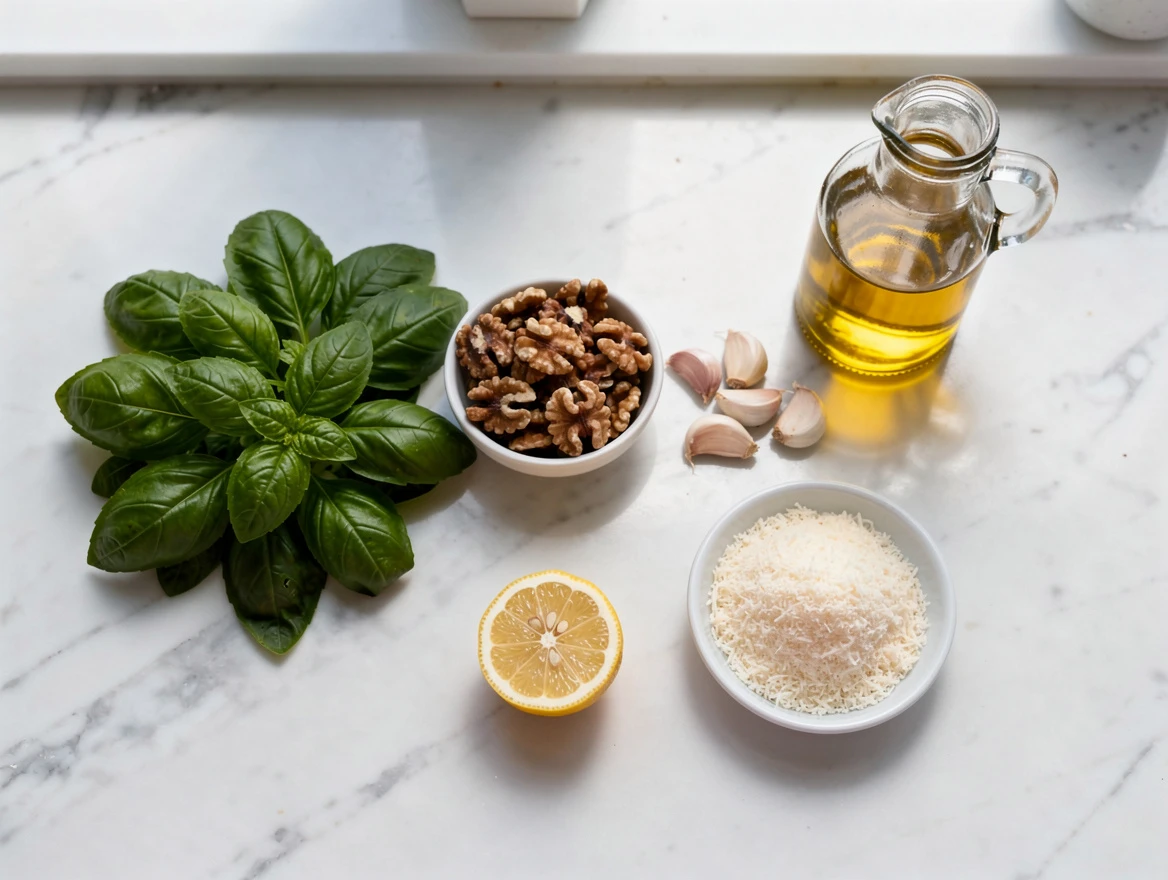
- 3 cups fresh basil leaves, packed and washed
- ½ cup raw walnuts or pine nuts (walnuts for lower carbs—your diabetes-friendly MVPs)
- ½ cup freshly grated Parmesan cheese
- 3 large garlic cloves, peeled and roughly chopped
- ⅓ cup extra virgin olive oil
- ¼ tsp sea salt (adjust to taste because salt is the Beyoncé of flavors)
- Optional: 1 tsp lemon juice (because who doesn’t want a little zing with their green?)
Instructions
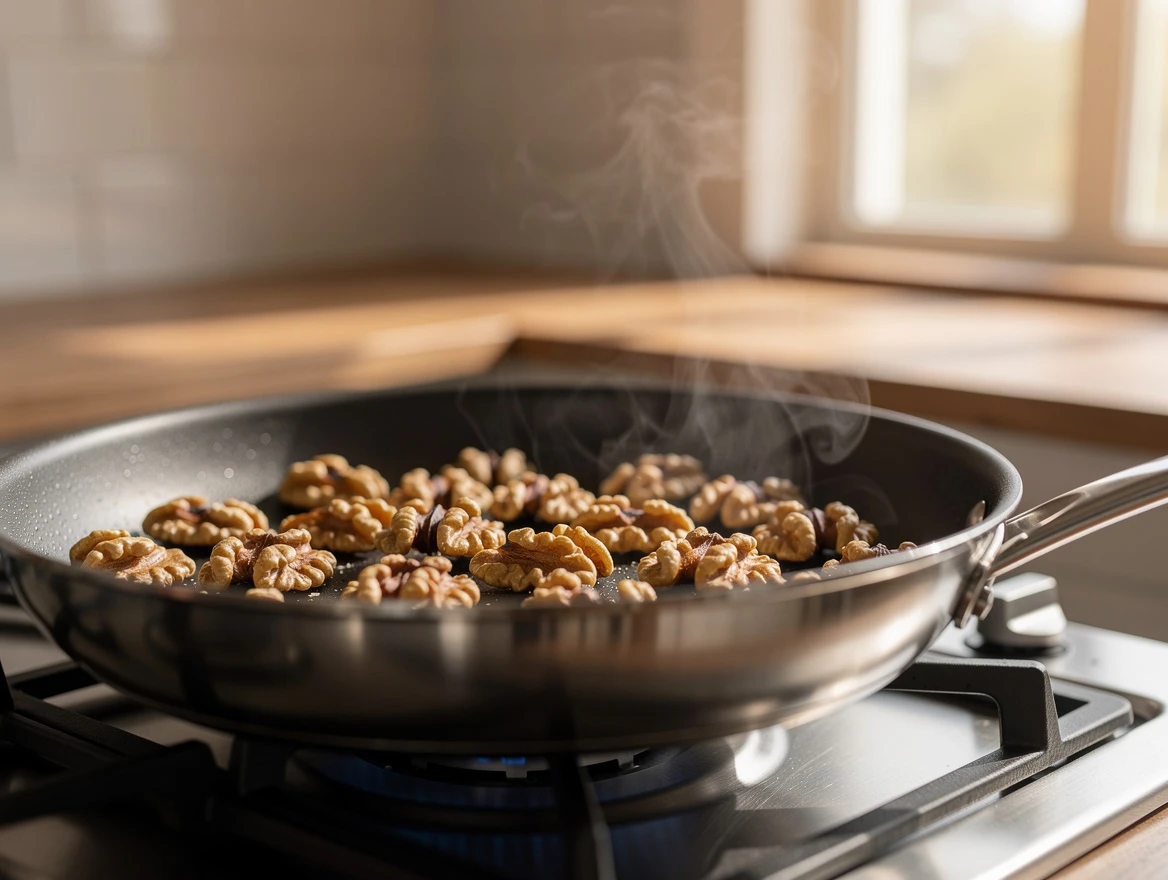
- Toast nuts lightly in a dry skillet over medium heat for 3-4 minutes until fragrant; let cool. (Seriously, don’t skip this or you’ll miss out on chef’s kiss depth.)
- In a food processor, combine basil leaves, cooled nuts, Parmesan cheese, and garlic. (Cue the buzzing symphony.)
- Pulse until coarsely chopped.
- With the processor running, slowly drizzle in olive oil until fully incorporated and smooth. Yes, slow is key—like nurturing your blood sugar one drip at a time.
- Season with salt and optional lemon juice, pulse once more.
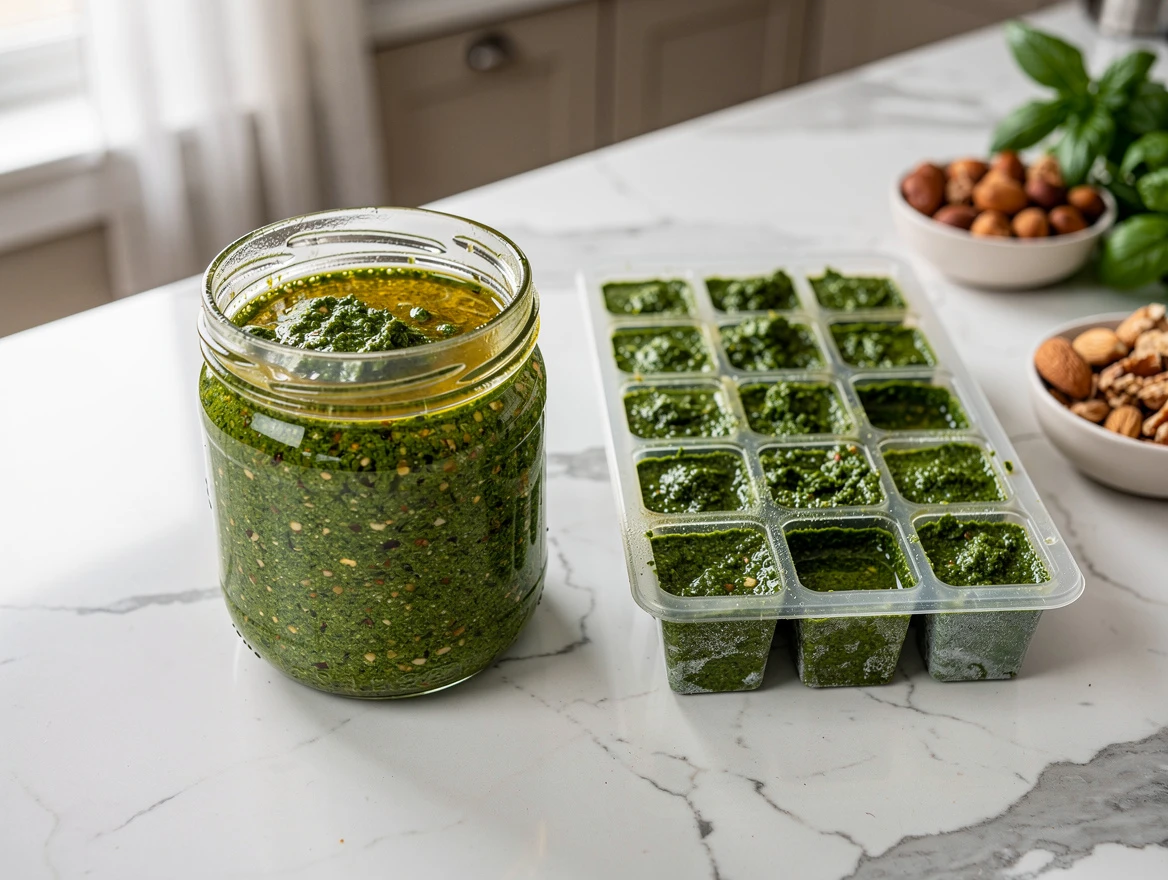
- Taste and adjust seasoning like the flavor boss you are. Store in an airtight jar, cover surface with olive oil (trust me, it’s like a green moat of freshness), refrigerate up to 1 week or freeze for up to 3 months.
| Calories: | 155 |
|---|---|
| Protein: | 4g |
| Total Carbs: | 3g |
| Fiber: | 1.5g |
| Net Carbs: | 1.5g (Yes, that low!) |
| Sugar: | 0.3g |
| Fat: | 14g |
| Sodium: | 110mg |
Substitutions: Swap Parmesan for nutritional yeast if you want to keep it vegan and cheesy without the dairy drama. Nut allergies? Pecans or pumpkin seeds have your back.
Storage: Pesto loves when you keep it airtight with a splash of olive oil on top. Think of it as a spa treatment for your sauce.
Variations: Feel wild? Toss in some spinach or kale for an extra boost, or crank up the garlic for a punch that says hello to your taste buds and goodbye to blandness.
Why This Healthy Pesto Recipe Works for Blood Sugar Control
Low-carb lovers, rejoice! Each serving of this healthy pesto recipe clocks in at just 1.5g net carbs. That’s not just low; it’s practically sneaky low. The magic? The olive oil and nuts deliver healthy fats that slow down carb absorption like traffic cops for your bloodstream. Basil isn’t just for looks—it’s packing antioxidants, while garlic and olive oil bring their A-game with known blood sugar-lowering and anti-inflammatory powers.
Now, before your eyes glaze over like a donut you can’t eat yet, let me tell you—I’ve tested my blood glucose levels before and after enjoying this pesto with meals, and spoiler alert: my numbers stayed cozy below 140 mg/dL. For anyone managing diabetes, that’s like hitting the sweet spot on a taste-and-balance seesaw.
Personal Stories Testing This Healthy Pesto Recipe
Story 1: Picture this—I’m about to devour zucchini noodles tossed in pesto for lunch, armed with my trusty glucose meter. Before chowing down, the number reads 98 mg/dL. Two hours later? 130 mg/dL. Manageable, right? Definitely less dramatic than my usual pasta disasters where 160+ becomes the norm. This little green wonder is a bona fide glycemic champ.
Story 2: Dinner time with my husband, low-carb warriors both. Pesto made a cameo on grilled chicken breast. Post-meal blood sugar? A cool 125 mg/dL. It’s officially pesto-approved for date nights and carb-controlled dinners alike.
Story 3: On a hectic Tuesday, pesto tried on veggie dip duty. Snacking between meetings never looked so good or caused glucose chaos. My continuous glucose monitor gave the thumbs up, turning snack time into a blood sugar peace treaty.
Expert Tips for Perfect Healthy Pesto Every Time
- Use fresh basil: Dried basil? Meh. It’s like comparing a live concert to elevator music—fresh basil’s vibrant aroma and compounds actually help stabilize blood sugar.
- Toast nuts lightly: Just enough to unlock flavor jazz hands, but not enough to cross over into bitter territory (been there, bittered that).
- Use quality olive oil: Extra virgin, cold-pressed is like the VIP pass for antioxidants and monounsaturated fats that keep your glucose in check.
- Add lemon juice: Think of lemon as the life of the pesto party: it brightens flavor and keeps the color as fresh as your blood sugar readings (hopefully).
- Freeze in ice cube trays: Portion control meets convenience! Pop out exactly what you need, no pesto waste panic involved.
- Avoid bottled pesto: Those store-bought impostors sneak in sugar, preservatives, and oils that can send your blood sugar on a rollercoaster ride you don’t want to ride.
Common Mistakes and How to Avoid Them
- Too much cheese: More isn’t always merry. Overdoing protein adds calories and saturated fat that can weigh you down. Stick to the suggested ½ cup.
- Overly oily pesto: Oil is your friend, but like all friends, too much can get clingy and add unnecessary calories. Drizzle slowly, taste often.
- Ignoring net carbs: Don’t get fooled by total carbs—fiber lives rent-free here and chops down your real carb count. Net carbs = blood sugar boss metric.
- Skipping salt: Salt is the undercover hero. It balances basil’s bitterness and brings everything together like a culinary peacekeeper.
- Using stale nuts: Freshness is king in pesto. Old nuts = rancid drama and a flavor party crash you don’t want.
Creative Ways to Use Healthy Pesto
- Drizzle on grilled chicken, fish, or tofu for a flavor upgrade that makes your protein pop.
- Toss with spiralized veggies or low-carb pasta alternatives for easy weeknight dinners.
- Spread on diabetic-friendly crackers or toast (and hey, check out my diabetic dessert recipes for clever combos).
- Stir into soups or stews for a savory boost (don’t miss my healthy slow cooker recipes).
- Dribble over roasted veggies or gasp add a dollop to my healthy pumpkin brownies for that unexpected savory twist.
- Dollop on salads or use as a marinade for kebabs that’ll make your taste buds tango.
Frequently Asked Questions
Is pesto healthy?
Pesto can be part of a balanced diet. Traditional pesto contains ingredients such as basil, nuts, olive oil, and Parmesan, which provide healthy fats and other nutrients. Because pesto is calorie-dense, portion size is still worth considering.
Is this healthy pesto recipe low in carbohydrates?
Yes, this recipe is relatively low in carbohydrates because it doesn’t contain added sugar or a large amount of starch. However, the exact carbohydrate content can vary depending on the ingredients and brands you use.
Can people with diabetes eat pesto?
Pesto can fit into a diabetes-friendly eating pattern because it is generally low in carbohydrates. However, pesto is usually eaten with other foods, so the carbohydrates in the entire meal should be considered rather than looking at the pesto alone.
What nuts are best for homemade pesto?
Walnuts, pine nuts, almonds, pecans, and pumpkin seeds can all work well. Walnuts are a particularly tasty option because they add a rich, slightly earthy flavor.
Can I make pesto without Parmesan cheese?
Yes. For a dairy-free version, replace Parmesan with nutritional yeast, or simply leave it out and adjust the seasoning to taste. You can also add extra nuts or seeds for more texture and flavor.
How long does homemade pesto last in the refrigerator?
Store homemade pesto in an airtight container in the refrigerator and use it within about 3 to 5 days for best quality. Keeping the pesto refrigerated promptly and using clean utensils helps maintain freshness.
Can I freeze homemade pesto?
Yes. Freeze pesto in ice cube trays or small freezer-safe containers so you can thaw only the amount you need. Once frozen, transfer the portions to a freezer-safe bag or container and use within about 3 months for the best quality.
Does pesto contain added sugar?
Traditional homemade pesto doesn’t need added sugar. This recipe gets its flavor from fresh basil, garlic, Parmesan, nuts, olive oil, and optional lemon juice.
What can I eat with healthy pesto?
There are plenty of options! Try it with grilled chicken, fish, tofu, roasted vegetables, zucchini noodles, whole-grain pasta, sandwiches, eggs, salads, or as a dip for fresh vegetables.
Can I use a different herb instead of basil?
Absolutely. Parsley, cilantro, arugula, or a combination of fresh herbs can create delicious variations. You can also add spinach or kale to use up extra greens.
Is homemade pesto better than store-bought pesto?
Making pesto at home gives you more control over the ingredients, amount of salt, type of oil, and added ingredients. It also lets you adjust the texture and flavor exactly to your preference.
How can I make pesto less oily?
Start with slightly less olive oil and gradually add more while blending until you reach your preferred consistency. You can also add a little lemon juice or a small amount of water to loosen the pesto without adding more oil.
Further Reading and Resources
- American Diabetes Association Pesto Recipe — The diabetes-friendly pioneer’s official take.
- Healthline: Is Pesto Healthy? — Science and sass on your leafy friend.
- Whole Lotta Yum: How to Make Pesto — For pesto newbies and pros alike.
- Tasteaholics Keto Pesto Recipe — Keto-curated pesto goodness.
Check out these homemadecooks.com gems for balanced diabetic meals:
This healthy pesto recipe isn’t just pesto—it’s a blood sugar-friendly flavor fiesta, a nutrient-dense powerhouse, and your ticket to low-carb kitchen victory. Yes, you will eat this later. And yes, you will probably make it again. Cue oven timer on your happiness machine!