Table of Contents
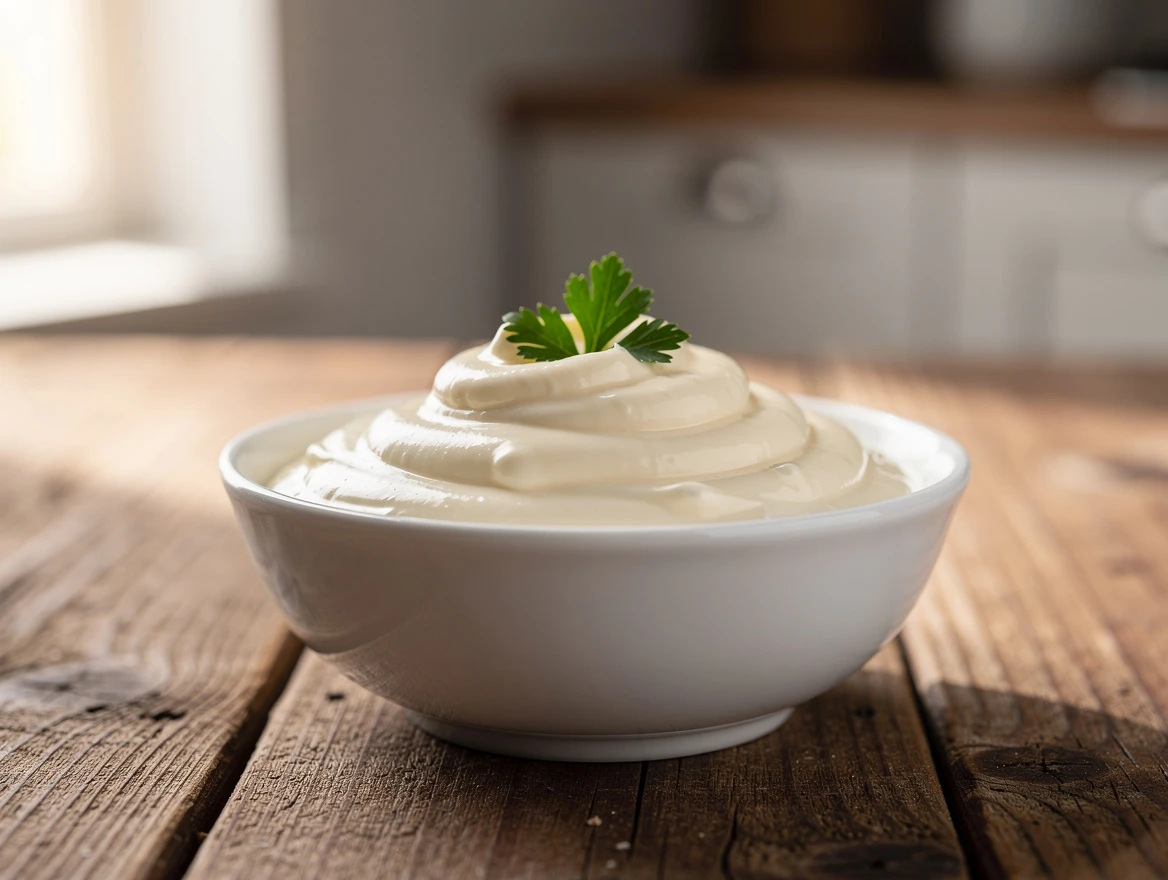
If you love mayonnaise but want a homemade alternative with simple ingredients, this healthy mayo recipe is worth trying! It’s rich, creamy, delicious, and made with avocado oil, olive oil, egg yolk, Dijon mustard, and fresh lemon juice.
Unlike many store-bought options, this homemade mayonnaise contains no added sugar and lets you choose exactly which ingredients go into your food. It is also naturally low in carbohydrates, making it a useful option for people following a low-carb or keto-style eating plan.
The best part? You don’t need complicated equipment or cooking skills. With just a few minutes of preparation and a little patience while adding the oil, you can make smooth, creamy mayonnaise right in your own kitchen.
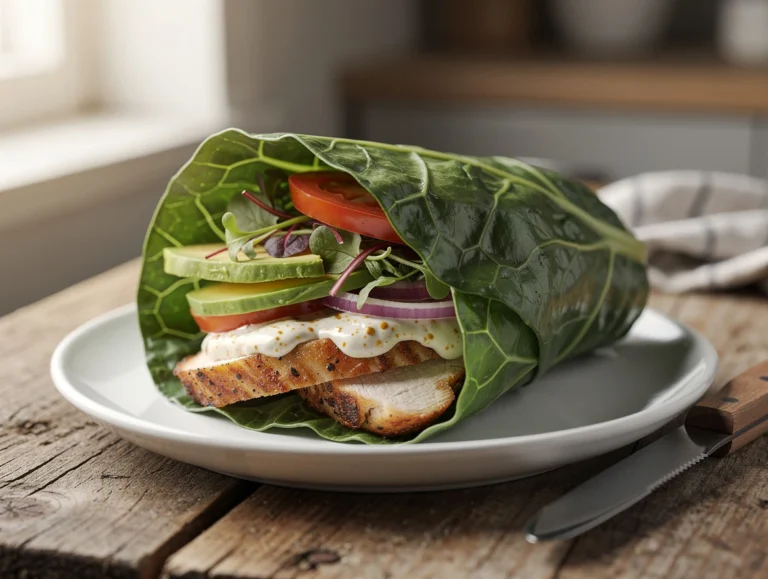
Whether you’re preparing sandwiches, burgers, salads, or healthy wraps, this easy homemade mayo adds plenty of flavor without unnecessary ingredients.
Healthy Mayo Recipe
Recipe Details
- Prep Time: 10 minutes
- Cook Time: 0 minutes
- Total Time: 10 minutes
- Servings: Approximately 8
- Difficulty: Easy
- Diet: Low Carb, Gluten-Free, Dairy-Free
Ingredients for Healthy Homemade Mayonnaise
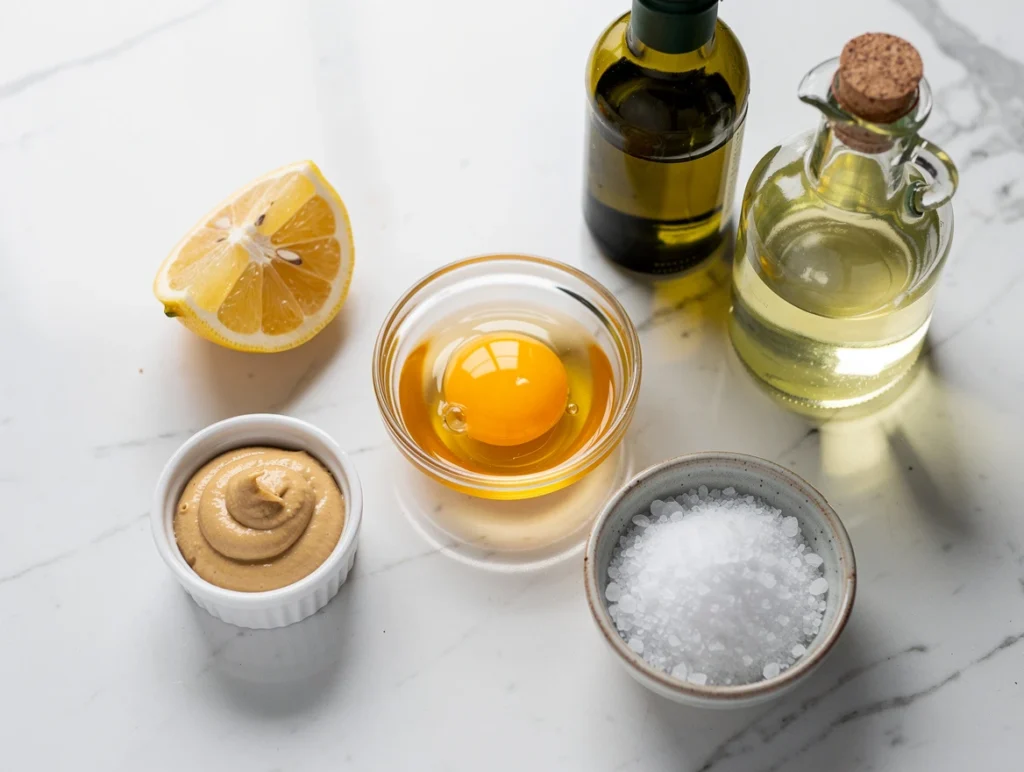
- 1 large egg yolk, preferably pasteurized and at room temperature
- 1 teaspoon Dijon mustard
- 1 tablespoon freshly squeezed lemon juice
- 1/2 teaspoon apple cider vinegar
- 1/4 teaspoon sea salt
- 3/4 cup avocado oil
- 1/4 cup extra virgin olive oil
- Optional: A pinch of white pepper or garlic powder
Instructions
Step 1: Prepare the ingredients
Take your egg yolk out of the refrigerator ahead of time if using a refrigerated pasteurized egg. Measure the oils, lemon juice, vinegar, mustard, and salt.
Step 2: Combine the base ingredients
Add the egg yolk, Dijon mustard, lemon juice, apple cider vinegar, and salt to a medium mixing bowl. Whisk until everything is smooth and combined.
Step 3: Slowly add the avocado oil
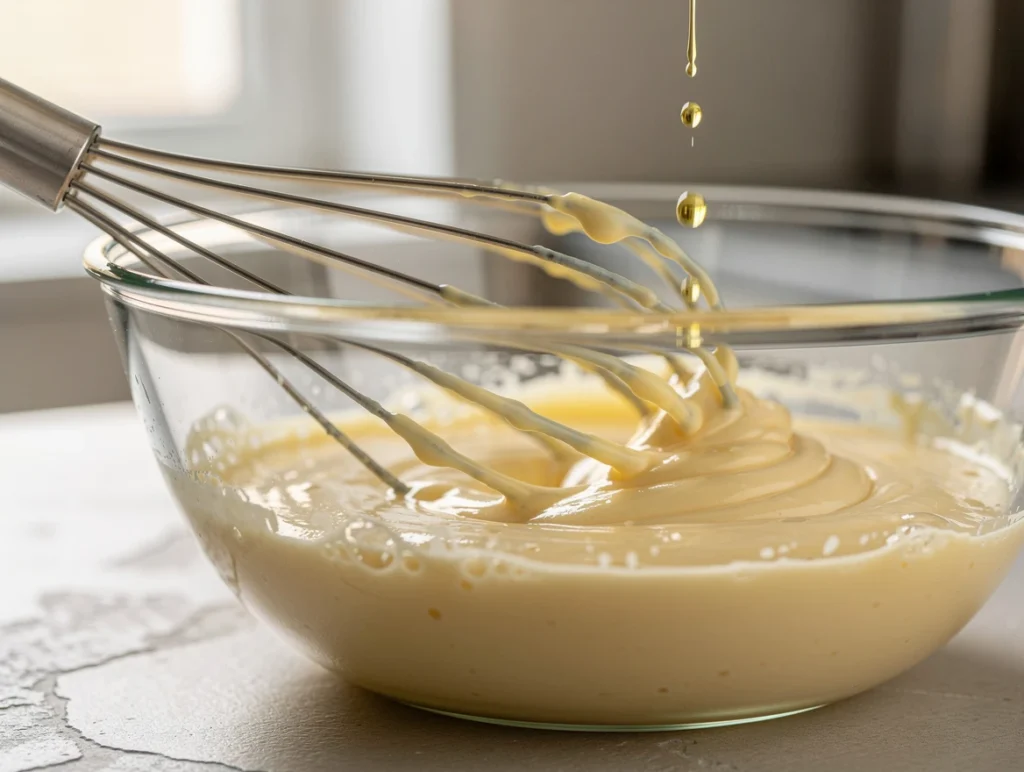
Start adding the avocado oil one drop at a time while whisking continuously. This is the most important step because it helps the ingredients form a stable emulsion.
Step 4: Continue whisking
Once the mixture begins to thicken, slowly pour in the remaining avocado oil in a very thin, steady stream. Keep whisking until the mayonnaise becomes thick, smooth, and creamy.
Step 5: Add the olive oil
Slowly whisk in the extra virgin olive oil until fully incorporated. It adds a richer flavor and a silky texture.
Step 6: Taste and serve
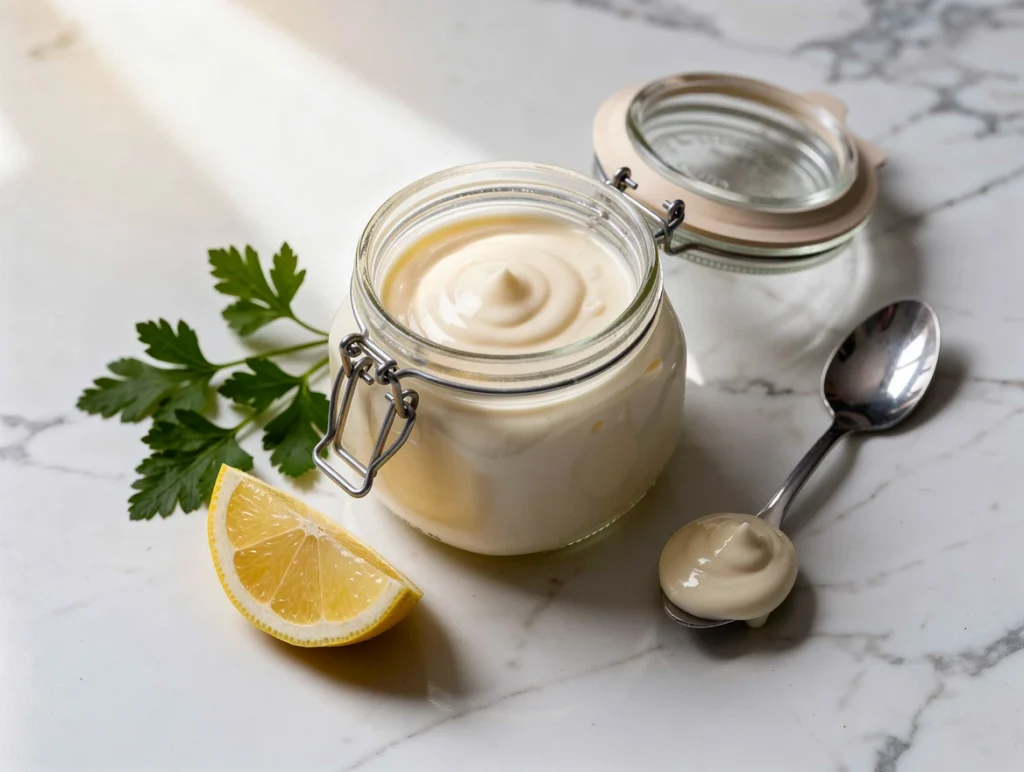
Taste your homemade mayonnaise and adjust the salt, lemon juice, or seasoning if needed. Transfer it to a clean, airtight container and refrigerate promptly.
Enjoy it with sandwiches, salads, burgers, wraps, or your favorite homemade meals.
Why You’ll Love This Healthy Mayo Recipe
There are plenty of reasons to make mayonnaise at home instead of reaching for a jar at the grocery store.
- Simple ingredients: You know exactly what goes into your mayonnaise.
- No added sugar: This recipe contains no added sugar.
- Low in carbohydrates: It contains very little carbohydrate per serving.
- Creamy texture: The egg yolk and oil create a rich, smooth consistency.
- Customizable flavor: Add garlic, herbs, or your favorite seasonings.
- Quick preparation: You can make it in approximately 10 minutes.
Key Ingredients and Their Benefits
Understanding the ingredients makes it easier to customize this healthy homemade mayonnaise.
1. Egg Yolk
Egg yolk acts as the emulsifier that brings the oil and other ingredients together. It helps create the thick, creamy consistency that makes mayonnaise so delicious.
It also contains nutrients such as choline and vitamin B12.
2. Avocado Oil
Avocado oil is the main ingredient in this recipe. It has a relatively neutral flavor and contains mostly monounsaturated fats.
Its mild taste makes it a great choice for homemade mayonnaise.
3. Extra Virgin Olive Oil
Olive oil adds richness and a slightly fruity flavor. It contains monounsaturated fats and naturally occurring antioxidant compounds.
Using it alongside avocado oil creates a balanced flavor.
4. Lemon Juice and Apple Cider Vinegar
These ingredients give the mayonnaise its characteristic tangy taste. They balance the richness of the oil and help brighten the overall flavor.
5. Dijon Mustard
Dijon mustard adds a little sharpness and helps support the emulsion, making it an important ingredient for both flavor and texture.
Expert Tips for Perfect Homemade Mayo
Follow these simple tips to get creamy mayonnaise every time.
- Use room-temperature ingredients: Ingredients at similar temperatures can make emulsification easier.
- Add the oil slowly: Never pour all the oil in at once. Start with a few drops and gradually increase the amount.
- Whisk continuously: Consistent whisking helps the oil combine with the egg yolk.
- Choose mild-tasting oils: Strong olive oil flavors can make mayonnaise taste bitter or overpowering.
- Adjust the consistency: If your mayonnaise becomes too thick, whisk in a small amount of water until you reach your preferred texture.
- Use clean equipment: A clean bowl, whisk, and storage container help reduce contamination risks.
Common Mistakes to Avoid
Even a simple mayonnaise recipe can go wrong if you rush the process.
- Adding the oil too quickly can cause the mayonnaise to separate.
- Using an overpowering olive oil can create a bitter taste.
- Skipping the mustard can affect the flavor and emulsification.
- Stopping whisking too early can result in a thin consistency.
- Leaving homemade mayonnaise at room temperature for too long can increase food-safety risks.
Ingredient Substitutions and Variations
One of the best things about homemade mayonnaise is how easy it is to customize.
- Avocado oil: You can replace it with light olive oil for a similar mild flavor.
- Dijon mustard: Use a small amount of mustard powder if Dijon mustard is unavailable.
- Garlic mayo: Add a little freshly crushed garlic for a delicious garlic mayonnaise.
- Herb mayo: Mix in finely chopped parsley, dill, or chives.
- Spicy mayo: Add a little paprika or cayenne pepper.
- Vegan mayo: Use a specifically developed aquafaba-based mayonnaise recipe instead of the egg yolk. The texture and proportions will be different.
Is This Healthy Mayo Recipe Good for People With Diabetes?
This healthy mayo recipe contains very little carbohydrate and has no added sugar. That can make it a suitable condiment option for some people with diabetes who are monitoring their carbohydrate intake.
However, low carbohydrate content does not automatically make a food ideal for everyone. Mayonnaise is calorie-dense because its main ingredient is oil, so portion size is important.
Individual blood sugar responses vary, and this recipe should not be considered a treatment for diabetes or a way to guarantee stable glucose levels.
If you have diabetes, consider your overall meal, portion sizes, and personal dietary recommendations when choosing condiments.
How to Store Homemade Mayonnaise
Because this recipe contains egg yolk, proper food handling is essential.
- Transfer the mayonnaise to a clean, airtight container.
- Refrigerate promptly at 40°F (4°C) or below.
- Use pasteurized eggs or pasteurized egg products because this recipe does not cook the egg.
- For a cautious homemade storage guideline, use within 3–4 days.
- Always use a clean spoon when serving.
- Discard mayonnaise that has been left at room temperature for more than two hours.
People who are pregnant, older adults, young children, and individuals with weakened immune systems should be particularly careful with foods containing uncooked eggs.
Frequently Asked Questions About Healthy Mayo Recipe
1. Is homemade mayonnaise healthier than store-bought mayonnaise?
Homemade mayonnaise allows you to choose the oils and ingredients used. This recipe contains no added sugar and uses avocado and olive oils. However, its nutritional value depends on the ingredients and portion size.
2. Is this healthy mayo recipe low carb?
Yes! The ingredients contain very little carbohydrate, making this mayonnaise suitable for many low-carb eating plans. Check your mustard and other ingredient labels for any added sugars.
3. Can people with diabetes eat homemade mayonnaise?
Many people with diabetes can include mayonnaise in their meals because it is naturally very low in carbohydrates. However, portion size and overall dietary needs still matter. Consult your healthcare professional for individual dietary advice.
4. What is the best oil for healthy homemade mayonnaise?
Avocado oil is an excellent option because of its mild flavor and predominantly monounsaturated fat content. Light olive oil is another alternative. Extra virgin olive oil can also be used, although its stronger taste may affect the final flavor.
5. Why did my homemade mayonnaise turn out runny?
The most common reason is adding the oil too quickly. The oil needs to be incorporated gradually so it can emulsify properly with the egg yolk.
6. How can I fix mayonnaise that has separated?
Place a fresh pasteurized egg yolk in a clean bowl. Slowly whisk the separated mayonnaise into it, adding a little at a time until the mixture becomes creamy again.
7. Can I make this recipe without Dijon mustard?
Yes. You can substitute a small amount of mustard powder. The flavor may be slightly different, but the mayonnaise should still work.
8. Is this mayonnaise keto-friendly?
Yes. This mayonnaise is very low in carbohydrates and contains mostly fats, so it can fit into many ketogenic meal plans. Remember that it is also calorie-dense.
9. Can I make healthy mayonnaise without eggs?
Yes. You can prepare a separate egg-free or vegan mayonnaise using aquafaba (the liquid from cooked chickpeas) or another suitable plant-based emulsifier. The quantities and method will differ from this recipe.
10. How long does homemade mayonnaise last?
For this homemade version, use it within 3–4 days when kept refrigerated at 40°F (4°C) or below. Using pasteurized eggs is especially important for a recipe containing uncooked egg yolk.
Final Thoughts
Making your own healthy mayonnaise at home is a simple way to enjoy a creamy, flavorful condiment while choosing the ingredients yourself.
This healthy mayo recipe combines avocado oil, olive oil, fresh lemon juice, Dijon mustard, and egg yolk to create a delicious homemade alternative with very little carbohydrate and no added sugar.
Try it with your favorite sandwiches, salads, burgers, and wraps. Once you discover how easy it is to make mayonnaise from scratch, you may not want to go back to store-bought versions!
More Healthy Recipes to Try
Food Safety References
Nutrition Information
Nutrition values should be calculated using the exact brands and quantities of your ingredients. The original nutrition estimate should be checked before publishing, particularly its calorie and fat figures, because this recipe contains approximately one cup of oil.