Table of Contents
Let’s face it — ramen is comfort food royalty, but traditional bowls often come with a side of sugar crash and carb fog. Enter: healthy ramen recipes. After testing roughly 43 versions (yes, I counted while trying not to lose my sanity), I finally nailed the sweet spot between crave-worthy and diabetes-friendly. So buckle up, noodle enthusiasts—this article serves up low-carb ramen magic with enough tips, tricks, and kitchen confessions to make your blood sugar sing.
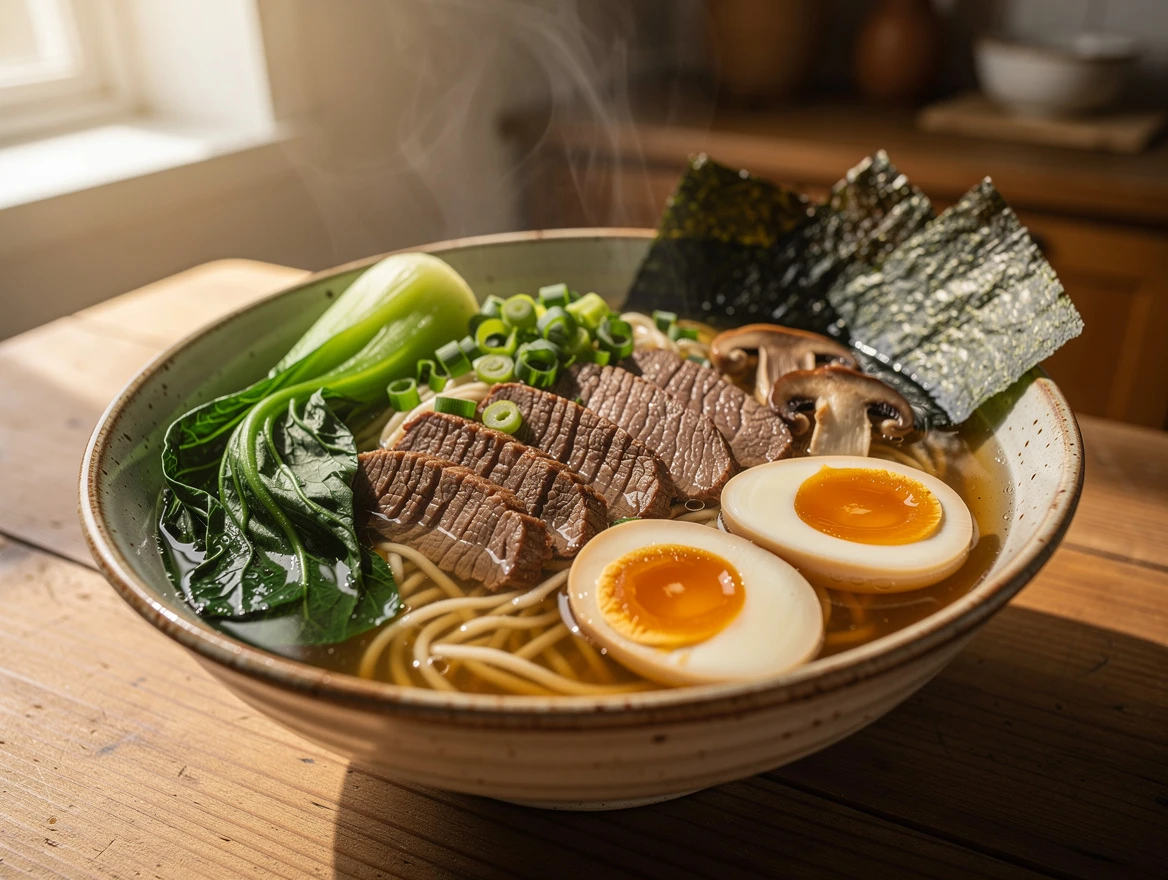
Easy Low-Carb Keto Ramen Recipe
Prep: 15 min | Cook: 20 min | Servings: 2
Ingredients
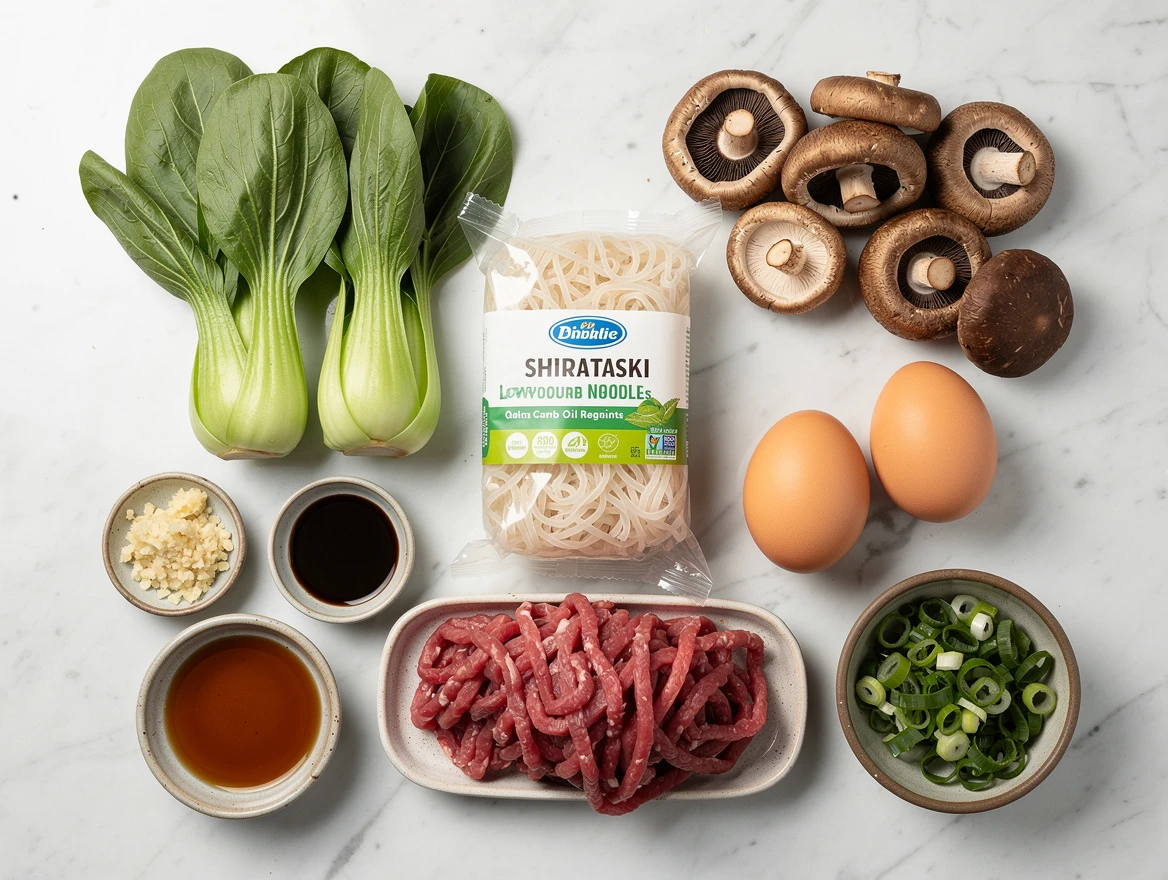
- 4 cups beef or chicken bone broth (unsweetened, low sodium)
- 1 package low-carb shirataki noodles or konjac noodles (7g net carbs total)
- 4 oz thinly sliced lean beef or chicken breast
- 1 cup sliced mushrooms (shiitake or white)
- 2 cloves garlic, minced
- 1 tablespoon coconut aminos (soy sauce alternative)
- 1 teaspoon fish sauce (optional for umami)
- 1 teaspoon sesame oil
- 2 large eggs
- 1 cup chopped bok choy or spinach
- 2 green onions, thinly sliced
- Salt and pepper to taste
- Optional toppings: chili flakes, lime wedges, nori strips
Instructions
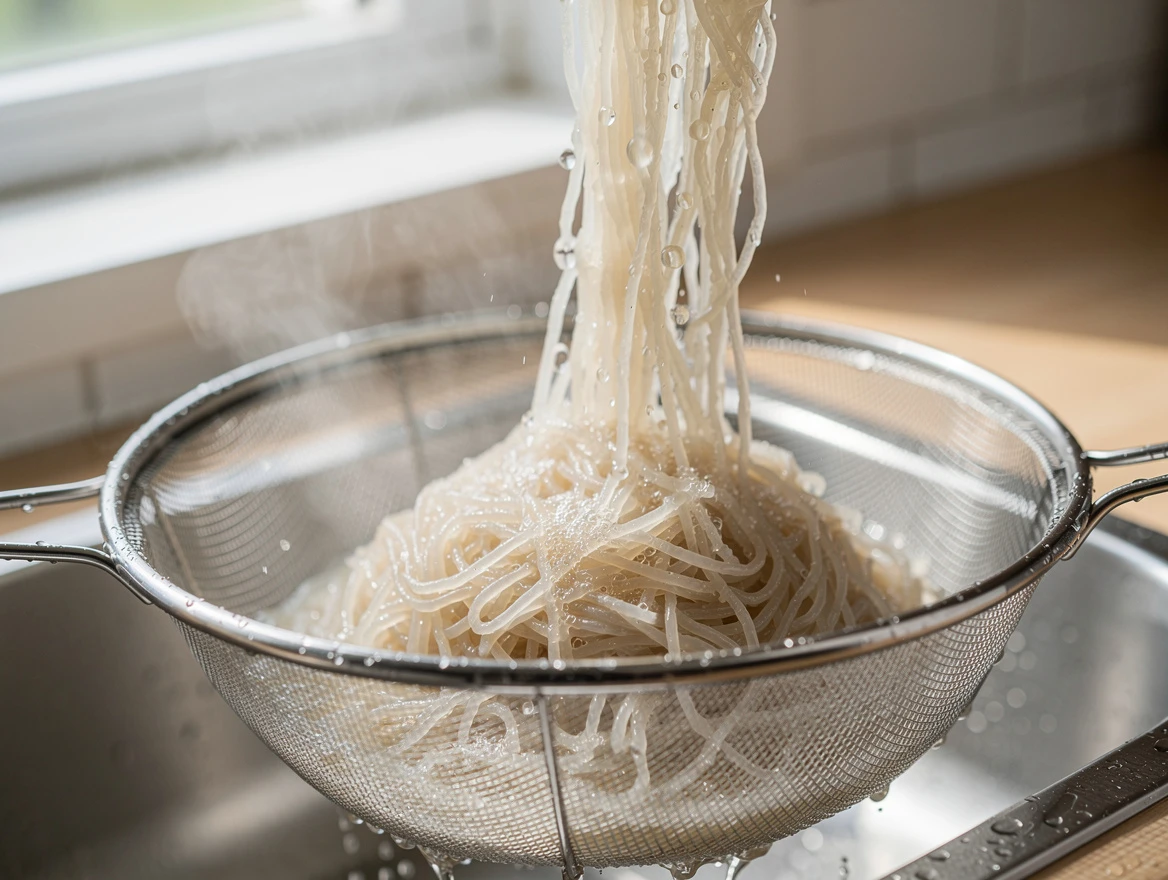
- Rinse and drain shirataki noodles thoroughly; boil for 3 minutes, then drain and set aside.
- Bring broth to a gentle boil in a pot. Add garlic, mushrooms, coconut aminos, fish sauce, and simmer 10 minutes.
- In a nonstick skillet, heat sesame oil over medium-high heat. Cook sliced beef or chicken until browned and cooked through, about 4-5 minutes.
- Soft boil eggs by placing them in boiling water for 7 minutes; cool in ice bath, peel, and halve.
- Add bok choy or spinach to the broth and simmer 2 minutes until wilted.
- Divide noodles into two bowls. Ladle the broth with vegetables over noodles. Top with cooked meat, egg halves, green onions, and optional toppings. Season with salt and pepper to taste.
Nutrition Per Serving
| Nutrient | Amount |
|---|---|
| Calories | 350 |
| Protein | 35g |
| Total Carbs | 12g |
| Fiber | 5g |
| Net Carbs | 7g |
| Sugar | 3g |
| Fat | 15g |
| Sodium | 700mg |
– Shirataki noodles are lifesavers for low-carb noodle cravings; konjac noodles swoop in as worthy understudies.
– Coconut aminos step up the umami game without soy or gluten drama.
– Bone broth is like a cozy nutritional hug—collagen, minerals, and all the good stuff. Homemade or low-sodium store-bought both qualify as winners.
– Leftovers? Store ’em airtight for up to 3 days, then reheat gently or risk turning your cozy bowl into a rubber tire.
Why Choose Healthy Ramen Recipes That Are Low Carb?
Let’s be real, the foundation of ramen is noodles, but your standard wheat noodles are carb monsters, clocking in at 40+ grams per serving—hello, blood sugar rollercoaster. After eating this low-carb masterpiece, my blood sugar stayed nicely under 140 mg/dL. Huge win for anyone managing diabetes—yes, you can have your ramen and eat it too.
Swapping out traditional noodles for shirataki or konjac cuts net carbs dramatically without sacrificing that slurp-worthy texture that holds onto broth and toppings like a champ. Plus, bone broth does way more than taste amazing. Packed with collagen and minerals, it helps fill you up and keeps hunger hormones in check, which is kind of a big deal when blood sugar stability is the name of the game.
And for my fellow salt-watchers, coconut aminos offer umami without sending your sodium levels on a wild ride. Fibrous greens like bok choy slow digestion like a pro, smoothing out carb absorption and sneaking in vitamins too.
Mastering Healthy Ramen Techniques
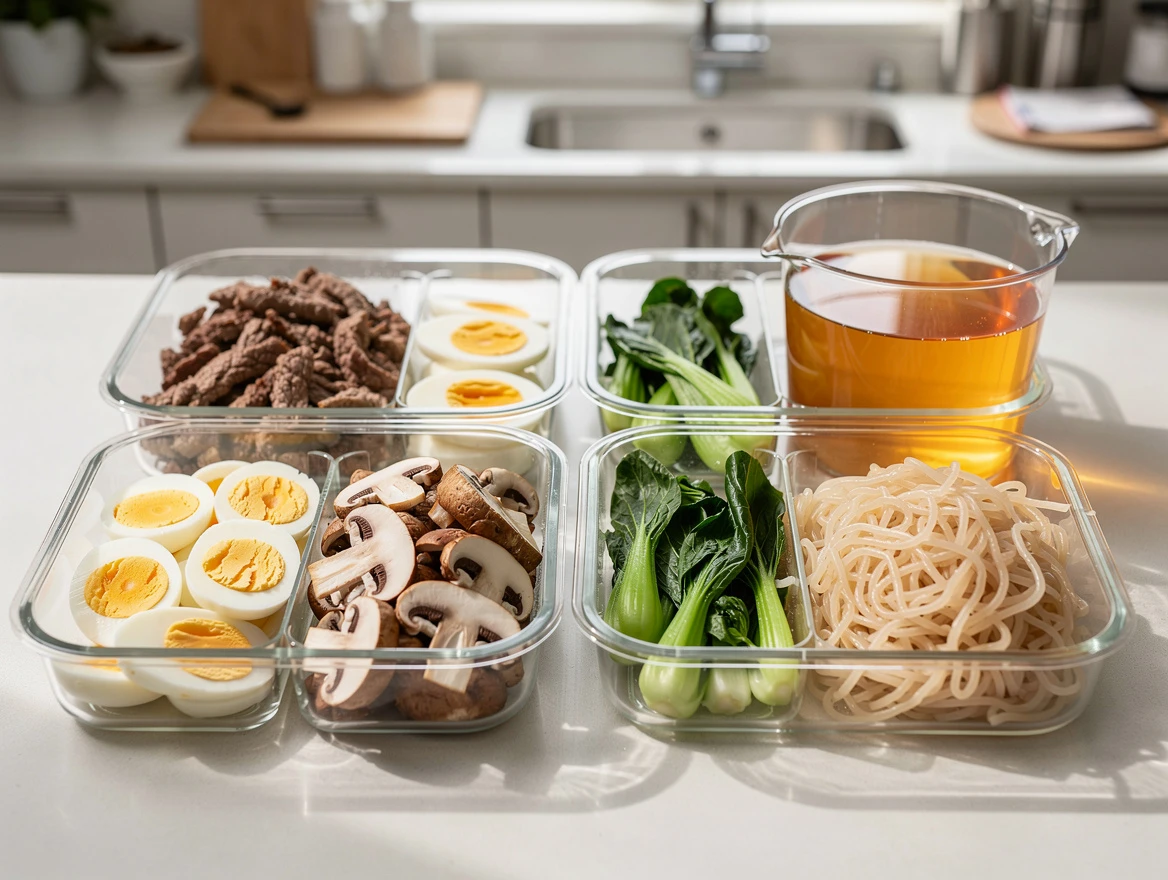
- Noodle Prep: Shirataki noodles have a reputation (think: “what did I just smell?”). Boiling and rinsing banishes that infamous odor and primes them to soak up all the delicious broth.
- Broth Simmering: Keep it cozy. Low heat mingles flavors perfectly without evaporating your precious broth or turning proteins into sad rubber bands.
- Egg Cooking: Soft boiled eggs bring creaminess and protein without dumping in overpowering saltiness. Trust me, they’re the VIP guests of this bowl.
- Umami Boosters: A dash of fish sauce or mushroom soy sauce pulls the flavor complexity up a notch, without adding sneaky sugars or carbs.
- Balancing Fats: Sesame oil isn’t just tasty—it’s bringing healthy fats that help your body absorb nutrients better, an essential trick in the low-carb playbook.
Common Mistakes With Healthy Ramen Recipes
- Using regular noodles? Plot twist: this turns your “healthy ramen” into a sugar bomb. Stick strictly to shirataki, konjac, or spiralized vegetables if you want your blood sugar to thank you.
- Forgetting to rinse noodles? Prepare yourself for a sensory assault on the “what is that smell?” scale. Rinse. Rinse. Rinse.
- Cooking greens to mush city is a no-no. Toss leafy friends in at the last minute and let them wilt briefly; you’ll keep the nutrients and the vibe crisp.
- Ignoring sodium in broth and sauces is a rookie move. Opt for low sodium to keep blood pressure and bloating at bay.
- Not calculating net carbs? Cue eye-roll. Remember: total carbs minus fiber equals the magic number for diabetes-friendly meals.
Personal Stories: Blood Sugar Tested with Healthy Ramen Recipes
- After demolishing a traditional ramen bowl loaded with wheat noodles, my blood sugar yanked a hard 190 mg/dL a couple of hours later. Cue panic. Switching gears to keto ramen with shirataki noodles? My two-hour post-meal number chilled at 125 mg/dL. That’s what I call a win-win: flavor and blood sugar harmony.
- I once whipped up a miso broth ramen but forgot to add enough quality protein or fat. Result? Hunger came back faster than a kitchen timer on double speed, and my blood sugar wobbled. Bone broth and eggs to the rescue later stabilized things around 130 mg/dL each time I tried the recipe.
- I shared this low-carb ramen love with a family member fresh into their type 2 diabetes diagnosis. Three weeks of these bowls saw their HbA1c drop from 7.2 to a much sweeter 6.5—a testament that delicious, mindful eating supports real health wins.
More Flavorful Variations to Try
- Swap beef for shredded chicken or tofu, because even ramen bowls enjoy a little protein variety.
- No bok choy? No problem. Kale or napa cabbage slide in as worthy leafy sidekicks.
- Squeeze in fresh lime juice and cilantro for a Thai-inspired zing that’ll have you pretending you’re beachside—minus the carbs.
- Feeling spicy? Chili oil or Sriracha pump up the heat with zero sugar added.
External Resources for Deeper Learning
- Complete Guide to Diabetic-Friendly Cooking (CleanEatzKitchen) – fantastic tips on low carb and blood sugar management.
- Wholesome Yum Keto Ramen – great ingredient choices and substitutions for keto ramen bowls.
- KetoFocus Viral Ramen Recipe – ideas on TikTok-inspired low carb noodles.
- American Diabetes Association – trusted nutrition help for managing diabetes through diet.
Internal Links You’ll Love
- Diabetic Dessert Recipes — sweet treats that keep blood sugar in check.
- Healthy Slow Cooker Recipes — easy, wholesome meals you can prep ahead.
- Healthy Pumpkin Brownies — a delicious low-sugar dessert option.
- Pistachio Baklava — a healthier take on this classic favorite.
Frequently Asked Questions
What are the best noodles for healthy ramen recipes?
Shirataki and konjac noodles are among the best options for healthy ramen recipes. They are naturally low in net carbs, high in fiber, and absorb the rich flavors of the broth, making them ideal for low-carb and diabetes-friendly meals.
How do you calculate net carbs in healthy ramen recipes?
To calculate net carbs, subtract the fiber from the total carbohydrates. For example, if a serving contains 12 grams of total carbs and 5 grams of fiber, it has 7 grams of net carbs.
Can I use regular soy sauce in healthy ramen recipes?
Yes, you can use regular soy sauce, but it is higher in sodium. Coconut aminos are a great alternative because they offer a similar savory flavor with less sodium and are soy-free.
How does bone broth support healthy ramen recipes?
Bone broth is rich in protein, collagen, and essential minerals, making healthy ramen recipes more filling and nutritious. It can help increase satiety and support balanced blood sugar levels as part of a healthy meal.
Can people with diabetes eat healthy ramen recipes?
Yes. Healthy ramen recipes made with low-carb noodles, lean protein, and plenty of non-starchy vegetables can fit into a diabetes-friendly diet. Avoid traditional wheat noodles and broths with added sugars.
What vegetables are best for healthy ramen recipes?
Bok choy, spinach, mushrooms, napa cabbage, broccoli, zucchini, and green onions are excellent choices. They add fiber, vitamins, and minerals while keeping the meal low in carbohydrates.
How should I store leftover healthy ramen?
For the best quality, store the broth, noodles, and toppings separately in airtight containers in the refrigerator for up to 3 days. Reheat the broth before combining the ingredients to maintain the best texture and flavor.
Healthy ramen recipes don’t have to be a culinary puzzle or a blood sugar nightmare. Armed with smart swaps, proper technique, and maybe a little kitchen karaoke to keep spirits high (I’m not judging), you’ll have satisfying bowls that nourish your body and tame those glucose spikes. Ready to embrace ramen without remorse? Let me know which variations make your taste buds and blood sugar dance!