Table of Contents
Looking for healthy overripe banana recipes that make the most of those soft, spotty bananas sitting on your kitchen counter? You don’t have to throw them away. Overripe bananas are naturally sweet, which makes them useful in breads, muffins, pancakes, and other homemade treats.
If you’re managing diabetes or trying to keep your carbohydrate intake in check, the key is not simply whether a recipe contains bananas. Portion size, total carbohydrates, fiber, protein, and the other ingredients in the recipe all matter. Bananas can fit into a balanced eating plan, but they still contain carbohydrates and can affect blood glucose.
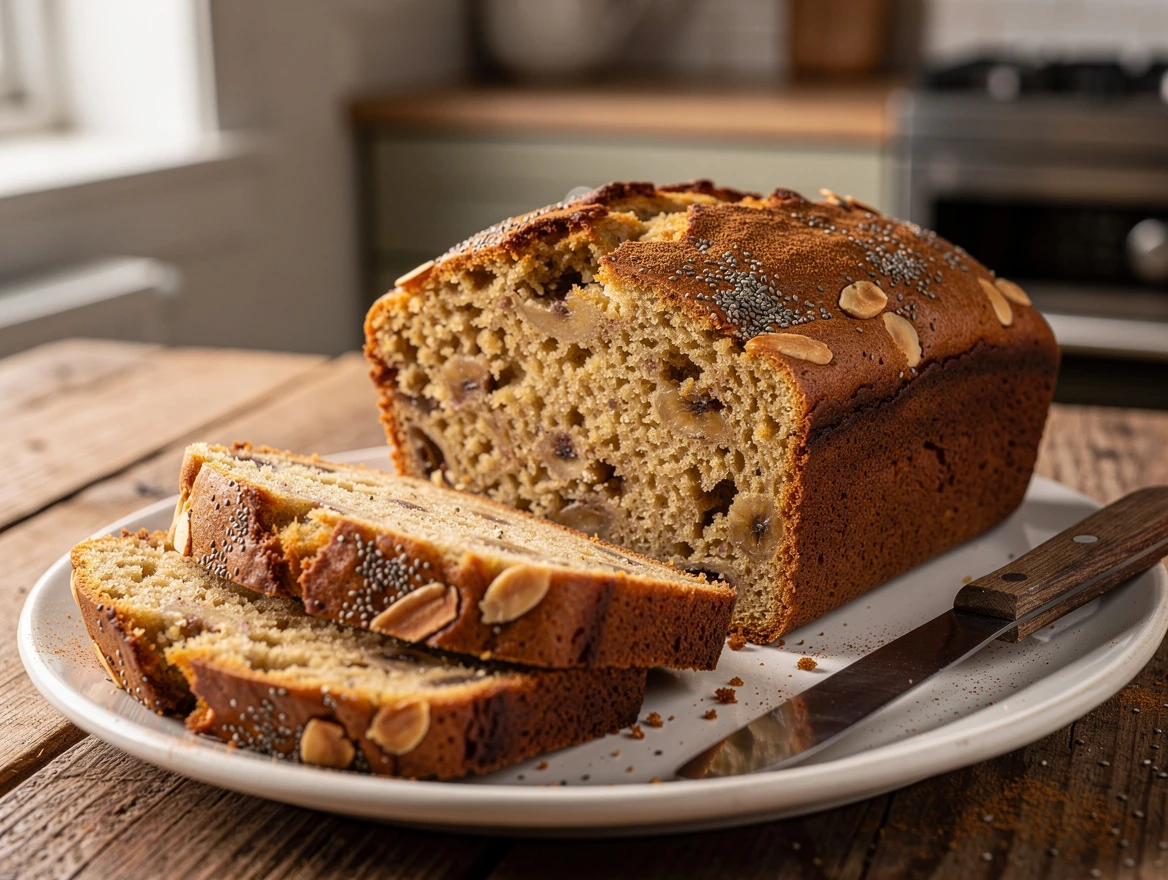
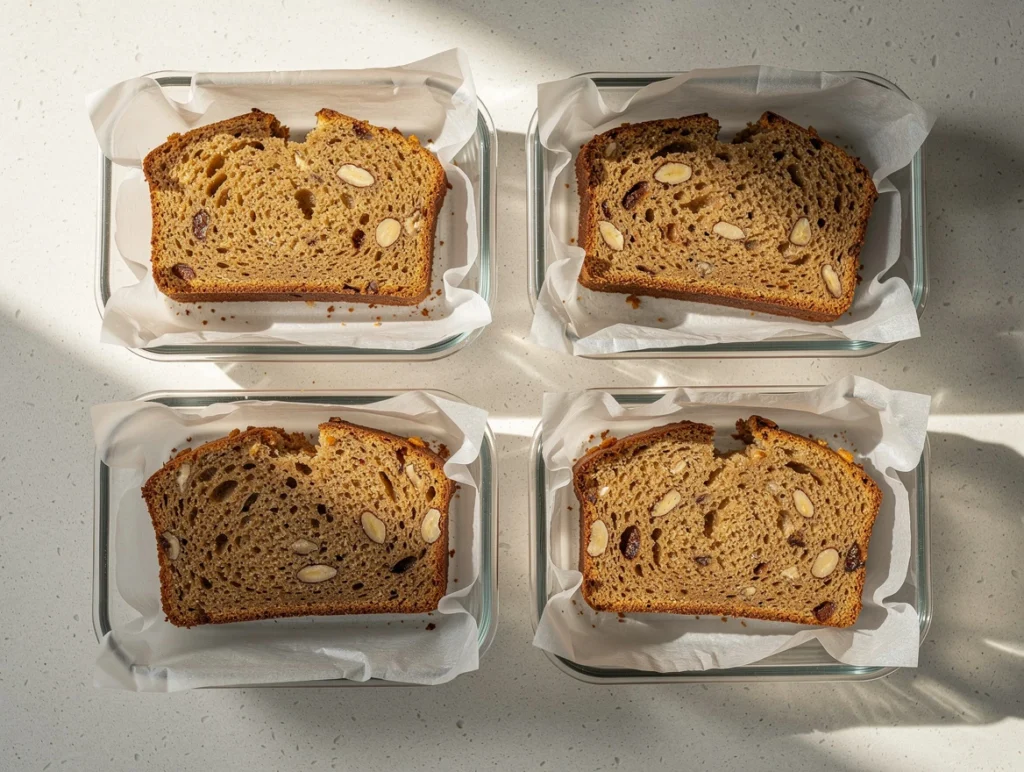
This banana almond bread is made without refined sugar and combines ripe bananas with almond flour, almond butter, eggs, and optional chia seeds. It’s a simple way to use overripe bananas while adding protein, fat, and fiber to the recipe.
Note: This recipe is not intended to treat or prevent diabetes. If you have diabetes, use your healthcare professional’s advice and your own blood glucose response to determine portions that work for you.
Banana Almond Bread
Prep Time: 10 minutes
Cook Time: 38–40 minutes
Servings: 8 slices
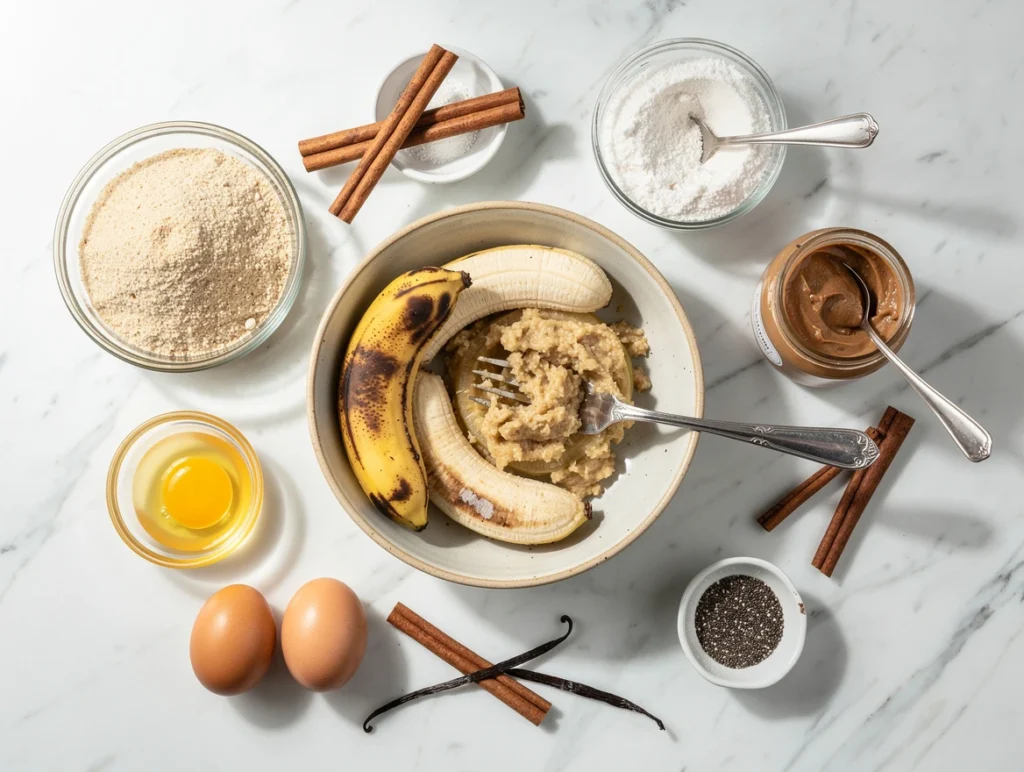
Ingredients
- 3 medium overripe bananas, about 1½ cups mashed
- 2 large eggs
- ½ cup unsweetened almond butter
- 1 cup blanched almond flour
- 2 tablespoons coconut flour
- 1 teaspoon baking soda
- 1 teaspoon ground cinnamon
- ½ teaspoon salt
- 1 teaspoon vanilla extract
- 1 tablespoon chia seeds, optional
Instructions
- Preheat the oven to 350°F (175°C). Line a 9×5-inch loaf pan with parchment paper.
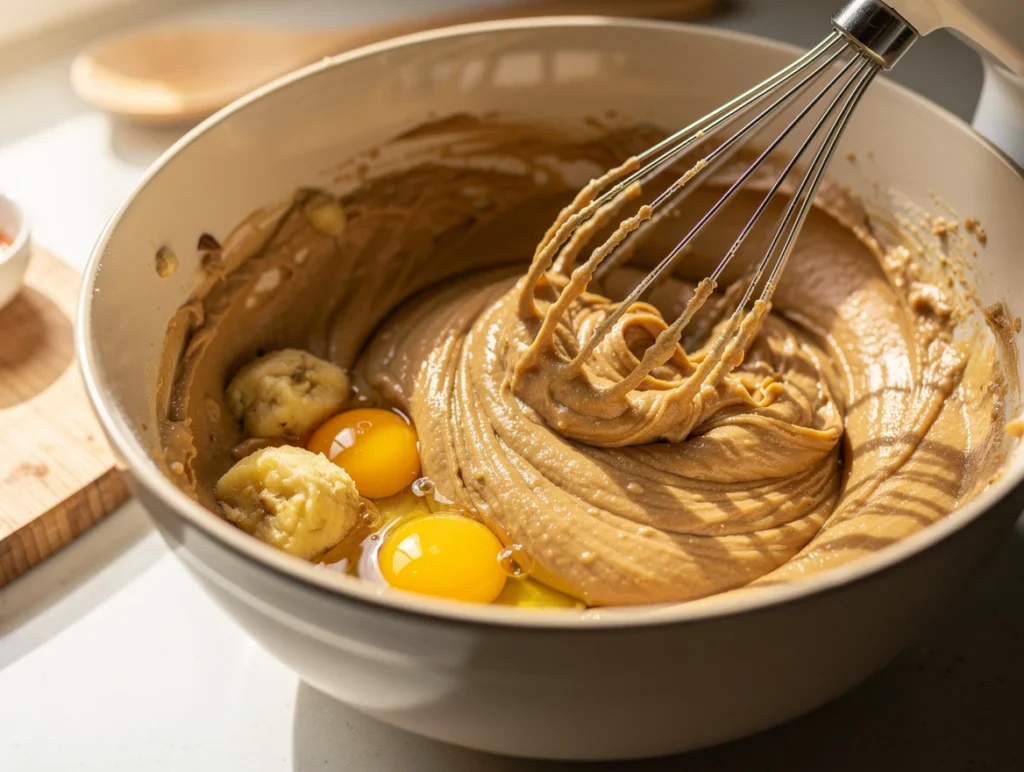
- Peel and mash the overripe bananas in a large mixing bowl until mostly smooth.
- Add the eggs, almond butter, and vanilla extract. Whisk until well combined.
- In a separate bowl, combine the almond flour, coconut flour, baking soda, cinnamon, and salt.
- Add the dry ingredients to the banana mixture and gently stir until just combined.
- Fold in the chia seeds if using.
- Pour the batter into the prepared loaf pan and smooth the top.
- Bake for 38–40 minutes, or until a toothpick inserted into the center comes out clean or with a few moist crumbs.
- Let the bread cool completely before slicing.
How to Serve It
For a more balanced snack, enjoy a small slice alongside a protein-rich food such as plain Greek yogurt or a small amount of unsweetened nut butter.
Because bananas contribute carbohydrates, portion size is especially important if you’re counting carbohydrates. The American Diabetes Association includes bananas among carbohydrate-containing fruits and notes that portion size matters when planning meals.
Storage
- Store the cooled bread in an airtight container in the refrigerator for up to 5 days.
- Freeze individual slices for up to 1 month.
- Thaw overnight in the refrigerator or warm briefly before serving.
- Don’t skip the coconut flour unless you are prepared to adjust the other ingredients because it helps absorb moisture.
Are Overripe Bananas Healthy?
Overripe bananas can be a useful ingredient because their natural sweetness can help reduce the need for added sugar in homemade recipes. However, overripe does not automatically mean lower-carb or better for blood sugar.
As bananas ripen, their starches are converted into simpler sugars. Research comparing banana ripeness in people with type 2 diabetes found a higher glycemic index for overripe bananas than for under-ripe bananas.
That doesn’t mean you have to avoid ripe bananas. It simply means that if you’re managing diabetes, it’s worth paying attention to the amount of banana used, the serving size, and the total carbohydrate content of the finished recipe.
The ADA also explains that carbohydrates from fruit, grains, dairy, and other foods can be part of a diabetes-friendly eating pattern, with the amount and type of carbohydrate being important considerations.
Tips for Making Overripe Banana Recipes More Balanced
1. Watch the portion size
A recipe can contain nutritious ingredients and still provide a significant amount of carbohydrate. Instead of focusing only on whether something is labeled “healthy,” look at the serving size and total carbohydrates.
2. Skip unnecessary added sugar
Very ripe bananas are naturally sweet, so many recipes don’t need large amounts of additional sugar.
3. Add protein and healthy fats
Ingredients such as eggs, unsweetened nut butter, Greek yogurt, nuts, and seeds can make a snack more satisfying and change how quickly a meal is digested.
4. Include fiber-rich ingredients
Chia seeds, flaxseeds, nuts, seeds, and fiber-rich flours can add texture and nutrition to banana-based recipes.
5. Check total carbohydrates
If you’re counting carbohydrates for diabetes management, don’t rely solely on a “net carb” number. The ADA recommends paying attention to total carbohydrate because the term “net carbs” does not have a standardized legal definition and may not accurately predict the effect of every food on blood glucose.
Other Healthy Overripe Banana Recipe Ideas
Have more bananas to use? Try turning them into these simple recipes:
Sugar-Free Banana Muffins
Use mashed ripe bananas with almond flour, eggs, cinnamon, and a suitable no-added-sugar sweetener. Keep the serving size in mind because the bananas still contribute carbohydrates.
Low-Carb Banana Pancakes
Combine a small amount of mashed banana with eggs and almond or coconut flour for an easy breakfast. Serve with unsweetened Greek yogurt or nut butter instead of sugary syrup.
Banana Nut Energy Bites
Mix mashed banana with nuts, seeds, chia seeds, and a small amount of unsweetened coconut. Chill until firm and portion into small bites.
Banana Chia Pudding
Blend a small amount of ripe banana with unsweetened milk and chia seeds. Refrigerate until thick, then top with nuts or seeds.
Common Mistakes When Cooking With Overripe Bananas
Using too much banana
More banana means more natural sugar and carbohydrates. If you’re adapting a recipe for lower carbohydrate intake, don’t assume that adding extra banana is harmless simply because the sugar is naturally occurring.
Adding refined sugar on top of ripe bananas
Overripe bananas already provide plenty of sweetness. Taste the batter before adding additional sweeteners when the recipe allows it.
Forgetting portion size
Even a homemade recipe made with nutrient-dense ingredients can contribute a substantial amount of carbohydrate if the serving is too large.
Assuming “sugar-free” means carbohydrate-free
A recipe can contain no added sugar and still contain carbohydrates from bananas, flour, milk, oats, or other ingredients.
Best Ingredients to Pair With Overripe Bananas
If you’re creating your own healthy overripe banana recipes, consider combining bananas with:
- Almond flour
- Coconut flour
- Almond butter
- Natural peanut butter
- Chia seeds
- Ground flaxseed
- Walnuts
- Almonds
- Eggs
- Plain Greek yogurt
- Cinnamon
- Unsweetened coconut
These ingredients can add protein, fat, fiber, texture, or flavor without relying heavily on refined sugar.
Should You Use Overripe Bananas If You Have Diabetes?
Yes, ripe bananas can be included in a diabetes-friendly eating pattern, but they aren’t a free food. Bananas contain carbohydrates, and very ripe bananas generally produce a greater glycemic response than less-ripe bananas.
The best approach is to consider the whole recipe and serving size rather than focusing on one ingredient.
If you’re unsure how a particular banana recipe affects your blood glucose, discuss appropriate portions with your healthcare professional and follow the monitoring plan recommended for you.
Related Healthy Recipes on HomemadeCooks.com
Frequently Asked Questions
Can people with diabetes eat overripe bananas?
Yes. Bananas can be included in a diabetes-friendly eating pattern, but they contain carbohydrates and portion size matters. Very ripe bananas can also have a higher glycemic response than less-ripe bananas.
Are overripe bananas higher in sugar?
As bananas ripen, some of their starch is converted into simpler sugars, which makes the fruit taste sweeter. This is one reason very ripe bananas can have a different effect on blood glucose than less-ripe bananas.
What flour is best for healthy banana bread?
Almond flour and coconut flour are popular choices for lower-carbohydrate baking. They also provide different textures and amounts of fiber compared with traditional wheat flour.
Can I make banana bread without added sugar?
Yes. Very ripe bananas provide natural sweetness, so you can often reduce or eliminate added sugar depending on the recipe.
What can I add to banana bread to make it more filling?
Unsweetened nut butter, eggs, chia seeds, flaxseed, walnuts, and almonds can add protein, fat, or fiber and make the bread more satisfying.
What are net carbs?
“Net carbs” generally refers to total carbohydrates minus certain types of fiber and sugar alcohols. However, the American Diabetes Association notes that the term does not have a standardized legal definition and recommends paying attention to total carbohydrates when managing diabetes.
How should I store homemade banana bread?
Keep it refrigerated in an airtight container for up to 5 days, or freeze individual slices for longer storage.
Can I use overripe bananas in savory recipes?
Absolutely. Their natural sweetness can work well in sauces, marinades, smoothies, and other recipes where a subtle sweet flavor is desirable.
Final Thoughts
Those brown-spotted bananas on your counter don’t need to end up in the trash. They can become delicious homemade banana bread, muffins, pancakes, and snacks.
If you’re looking for healthy overripe banana recipes, focus on simple ingredients, minimal added sugar, sensible portions, and the total carbohydrate content of each serving. And if you’re managing diabetes, remember that everyone’s response to carbohydrate-containing foods can be different.
So grab those overripe bananas, preheat the oven, and turn them into something delicious instead of letting them go to waste!
Related: American Diabetes Association nutrition and food guidance